
Last updated September 23, 2026
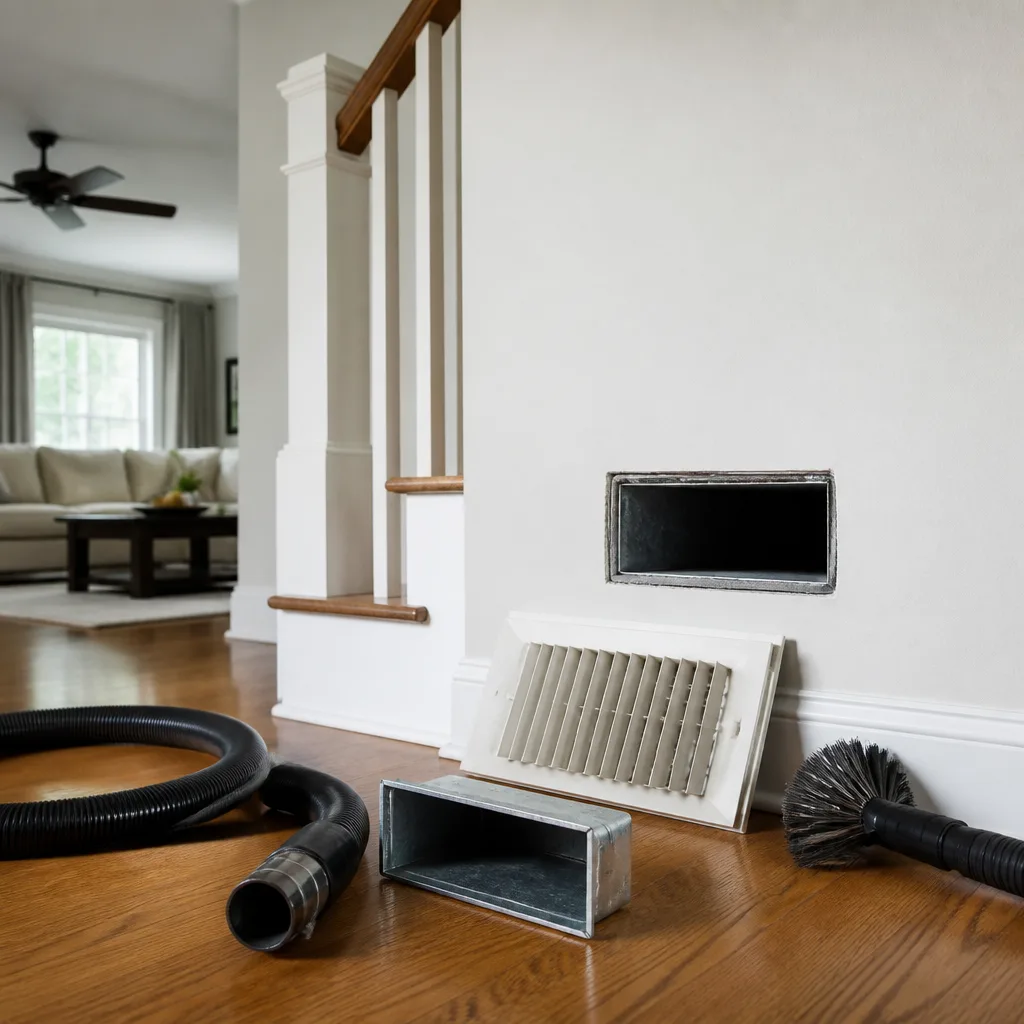
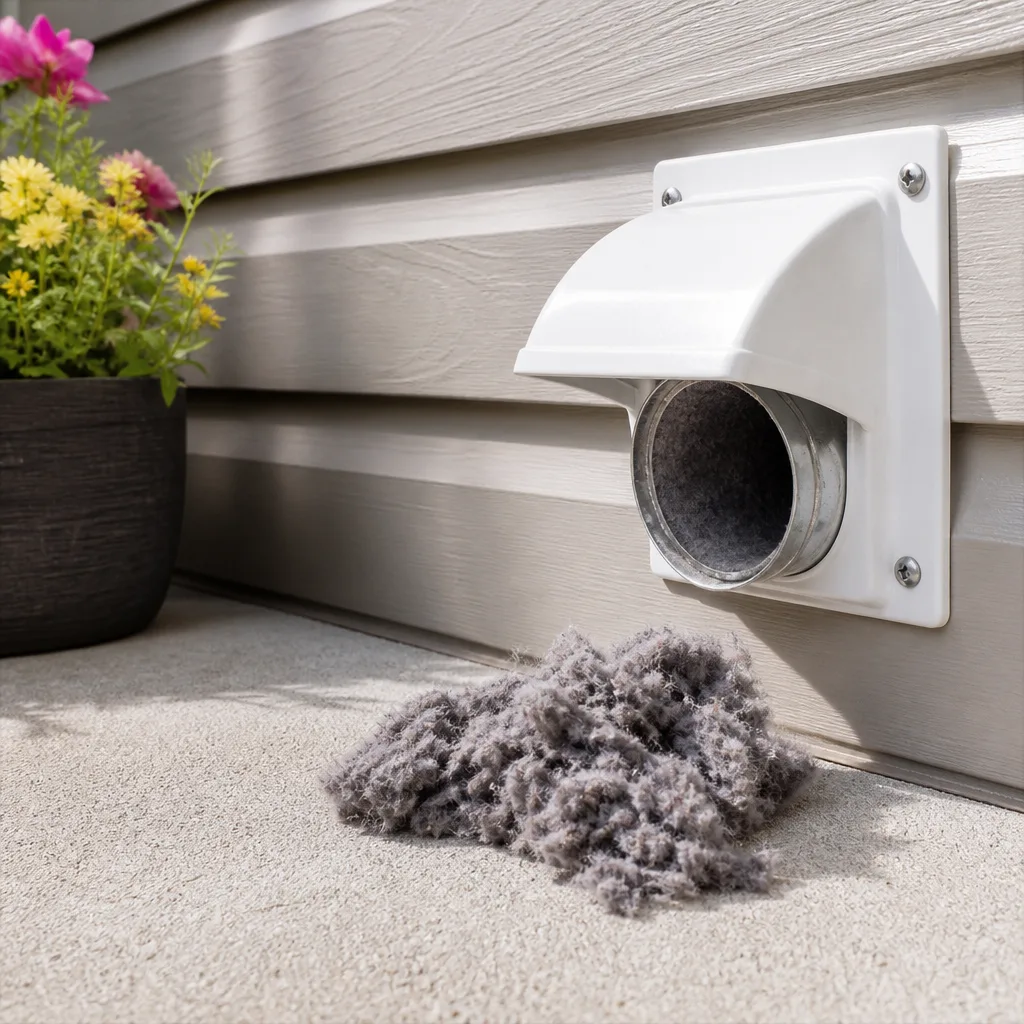
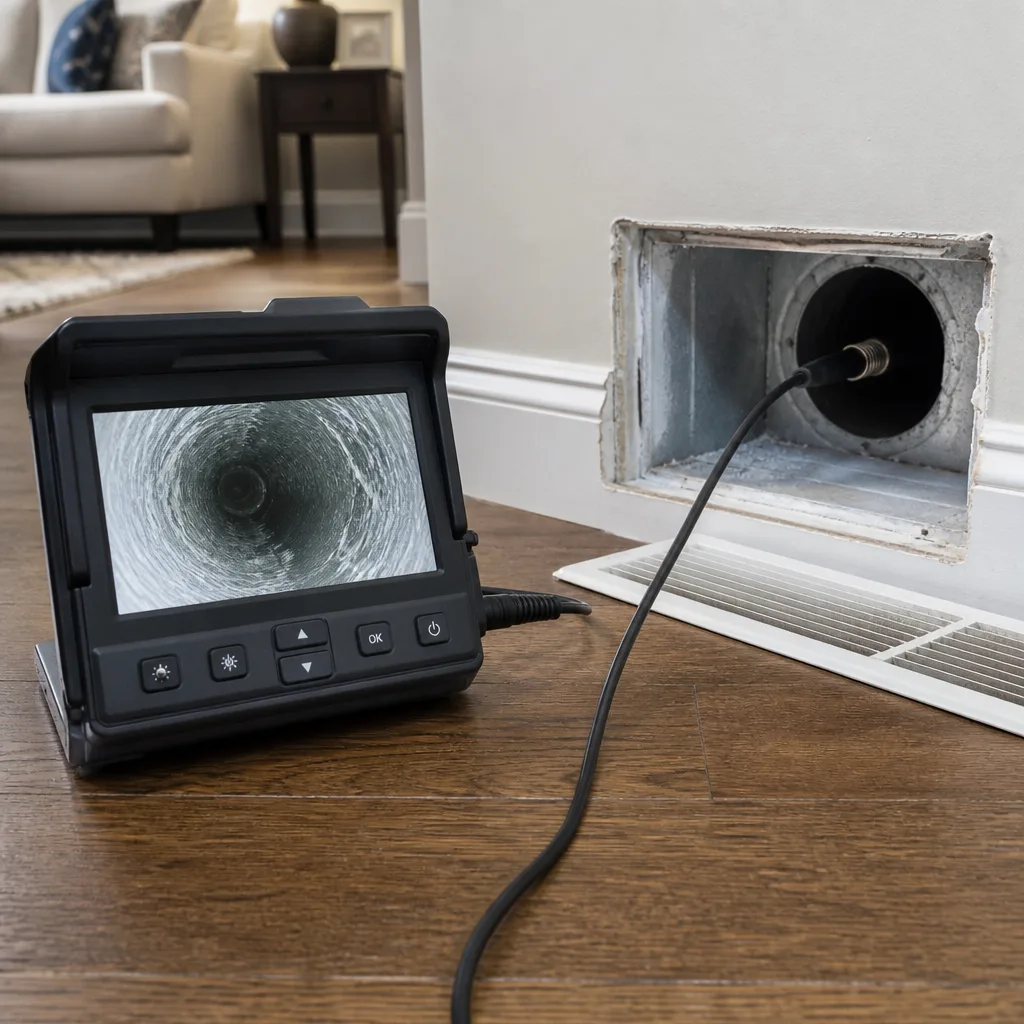
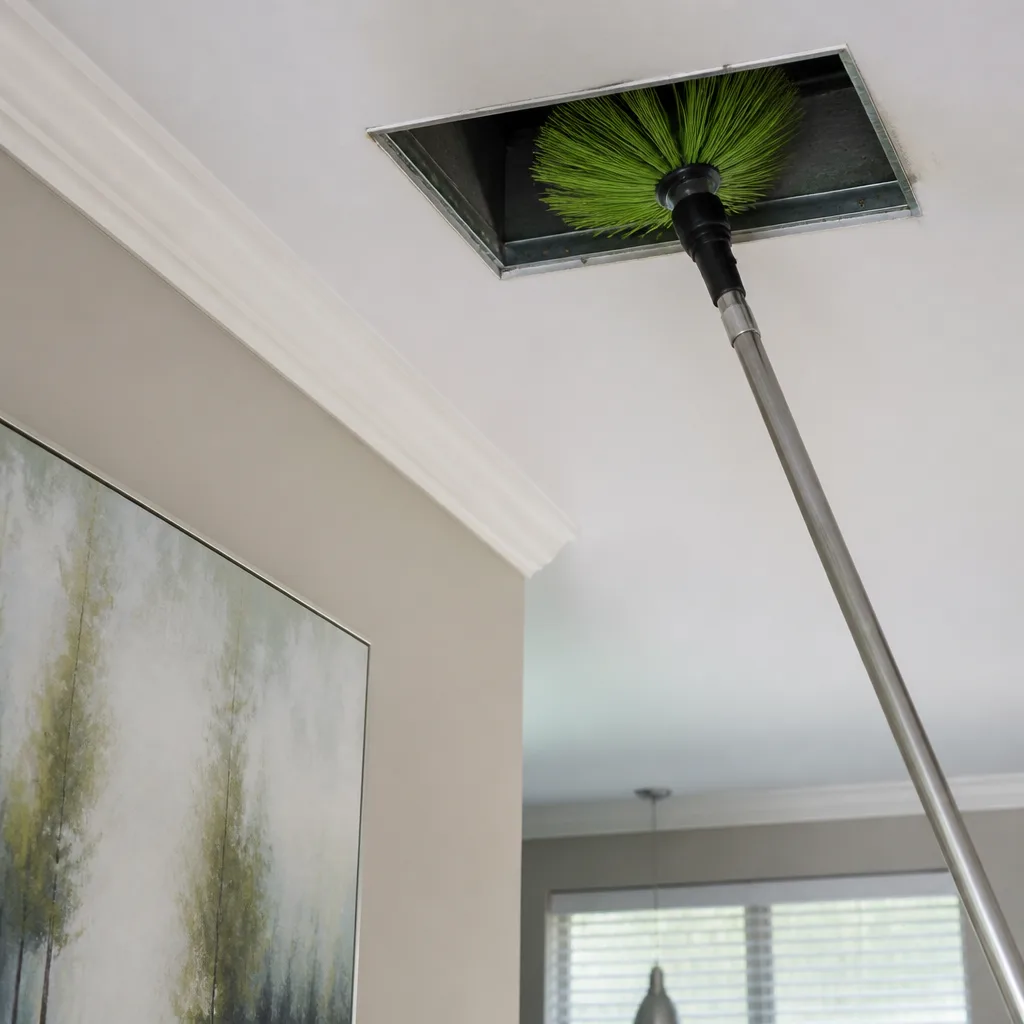
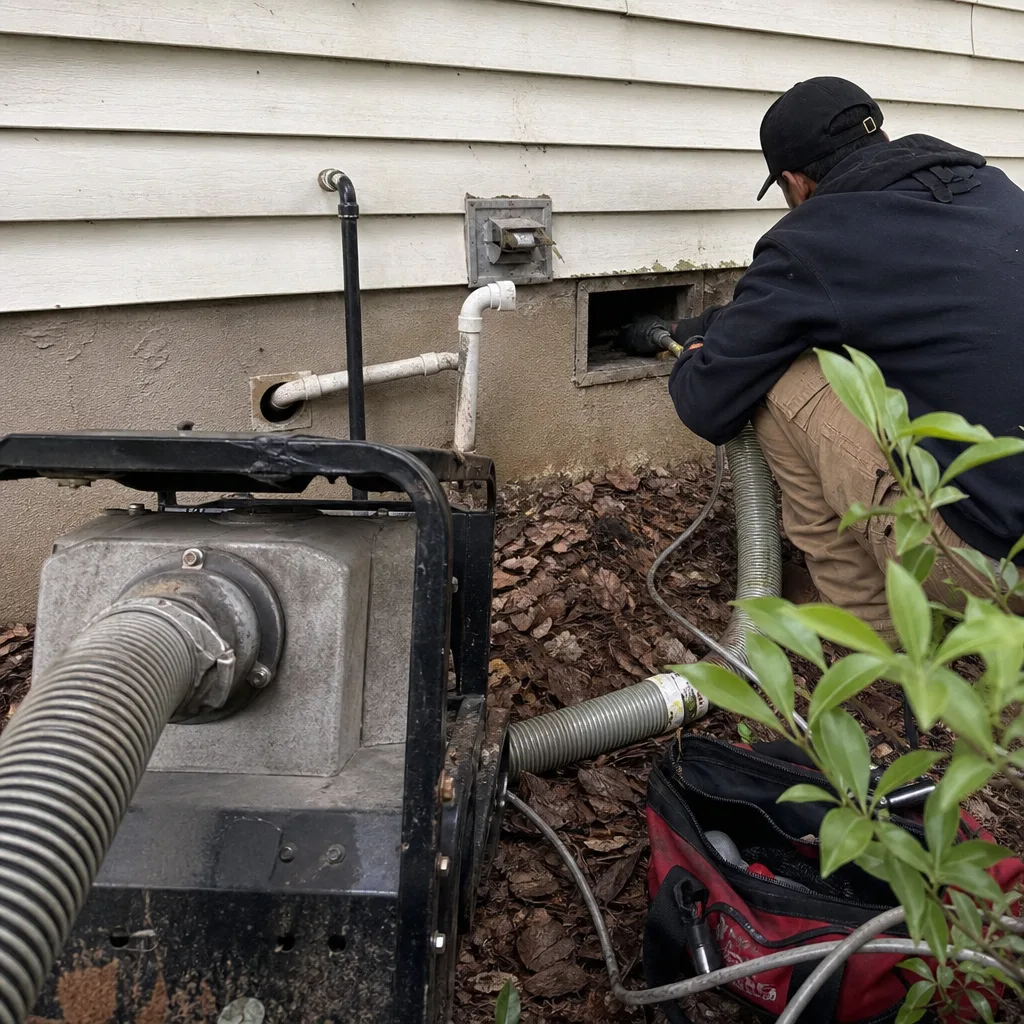
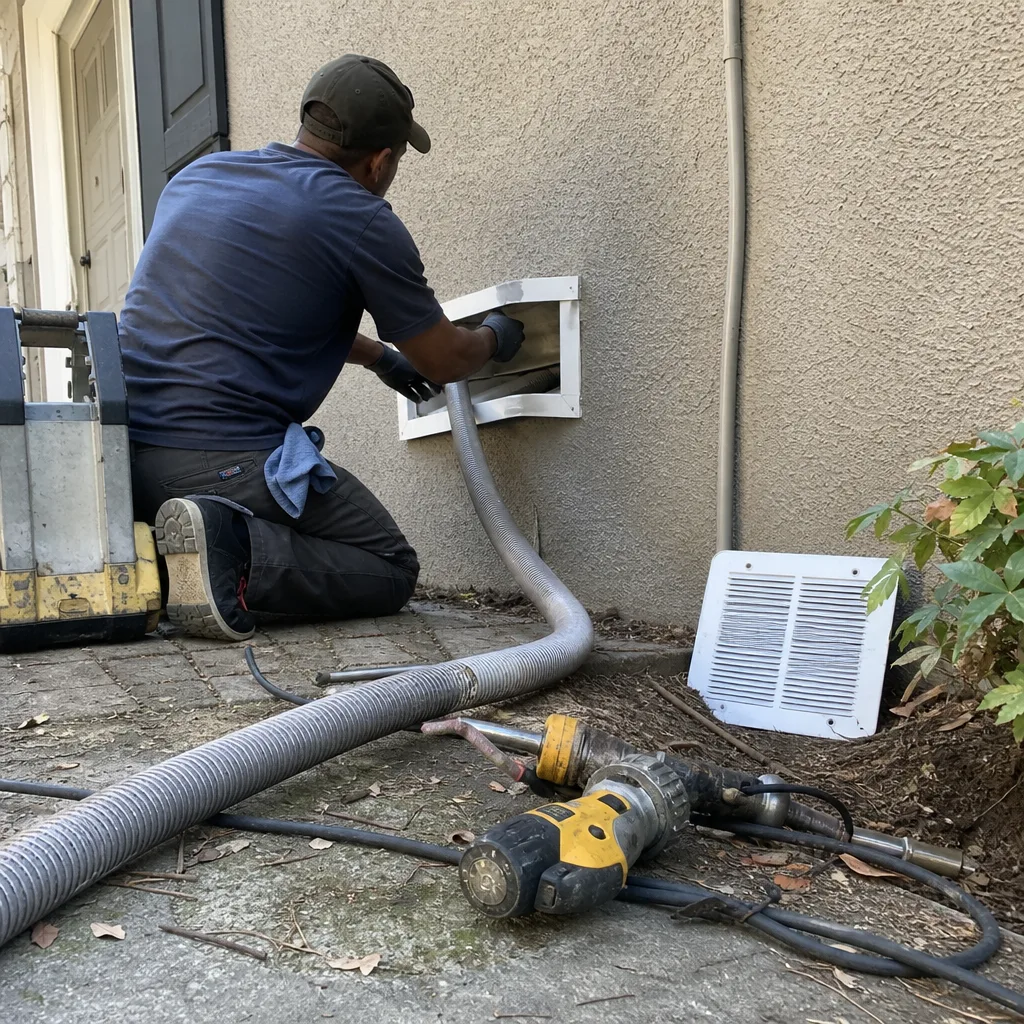
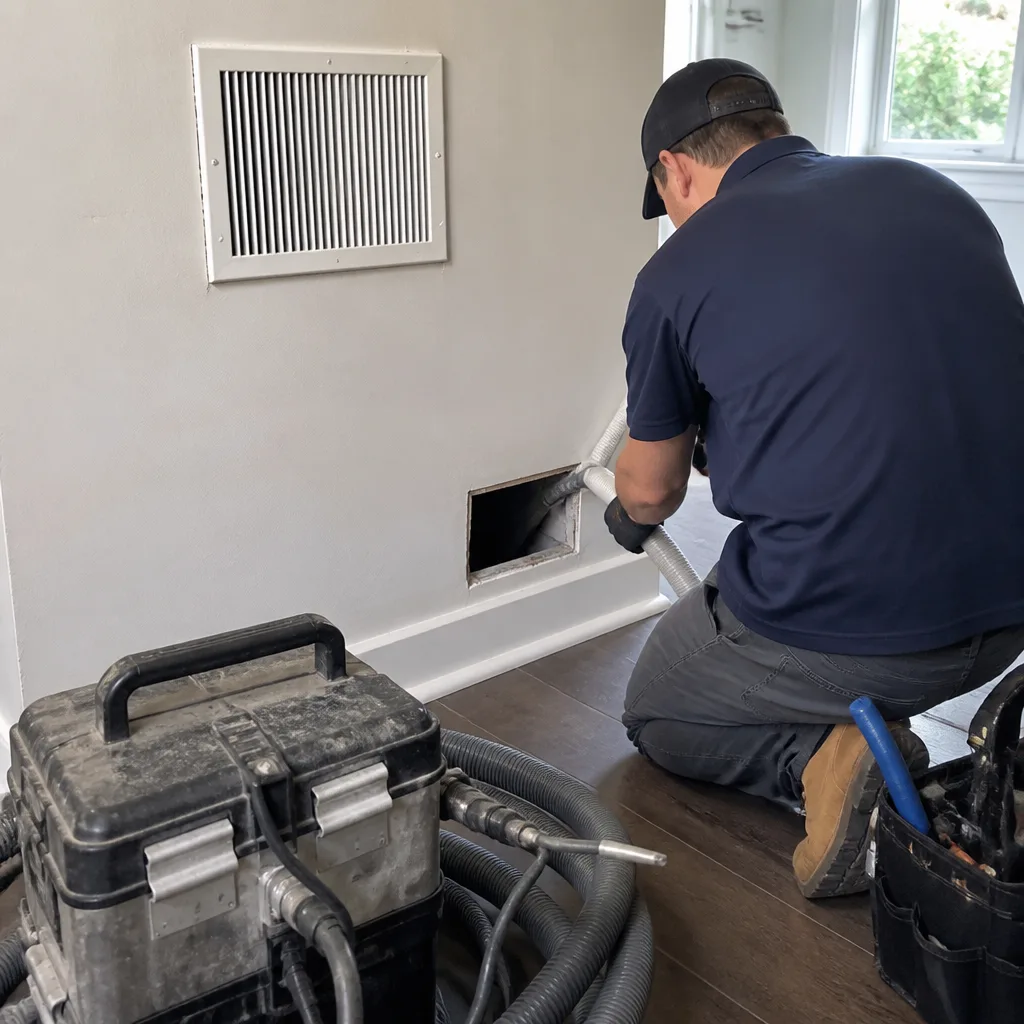
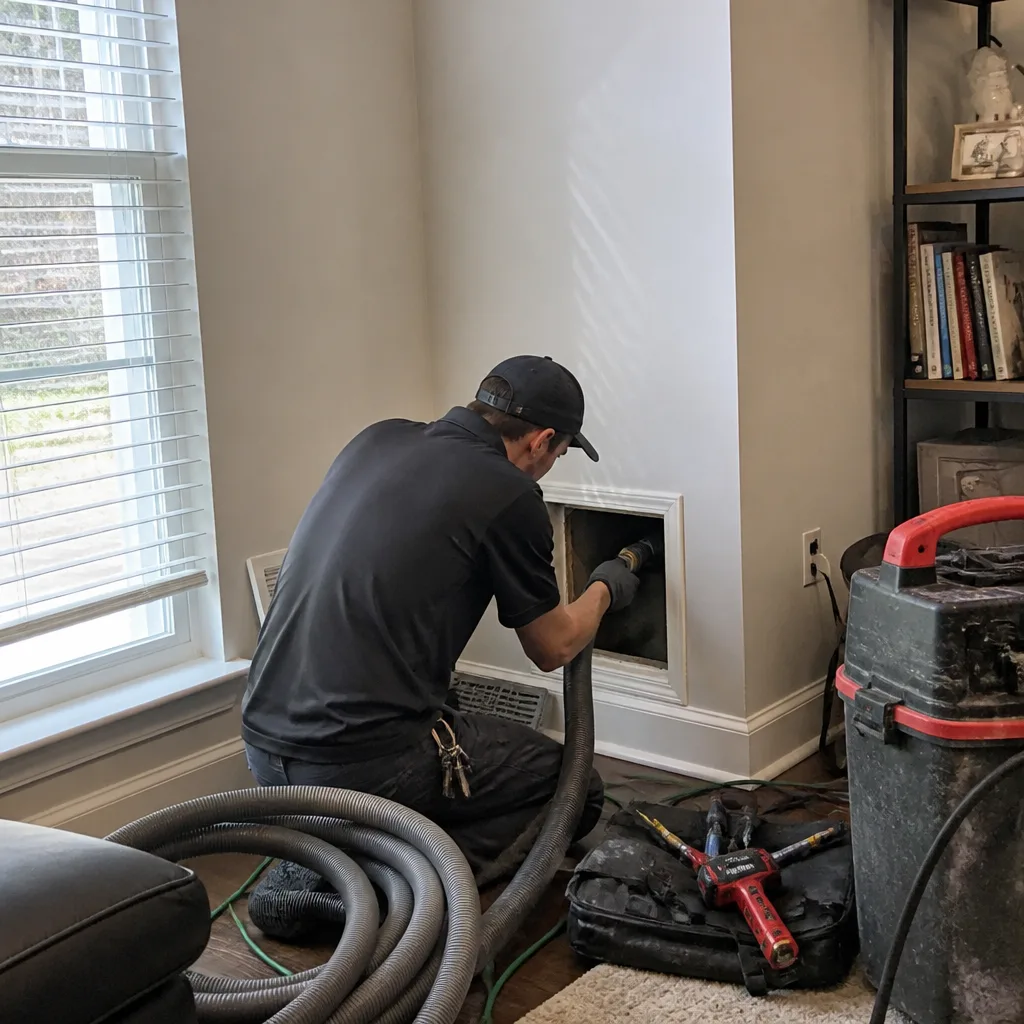
Whole-system duct and dryer vent check with before-and-after photos - you see exactly what came out of your vents
That "$99 whole-house special" is a bait ad - the real number appears once they are in your hallway, or the "clean" is a shop-vac at the register. We photograph the inside of your ducts before and after instead.
 Before
 After
After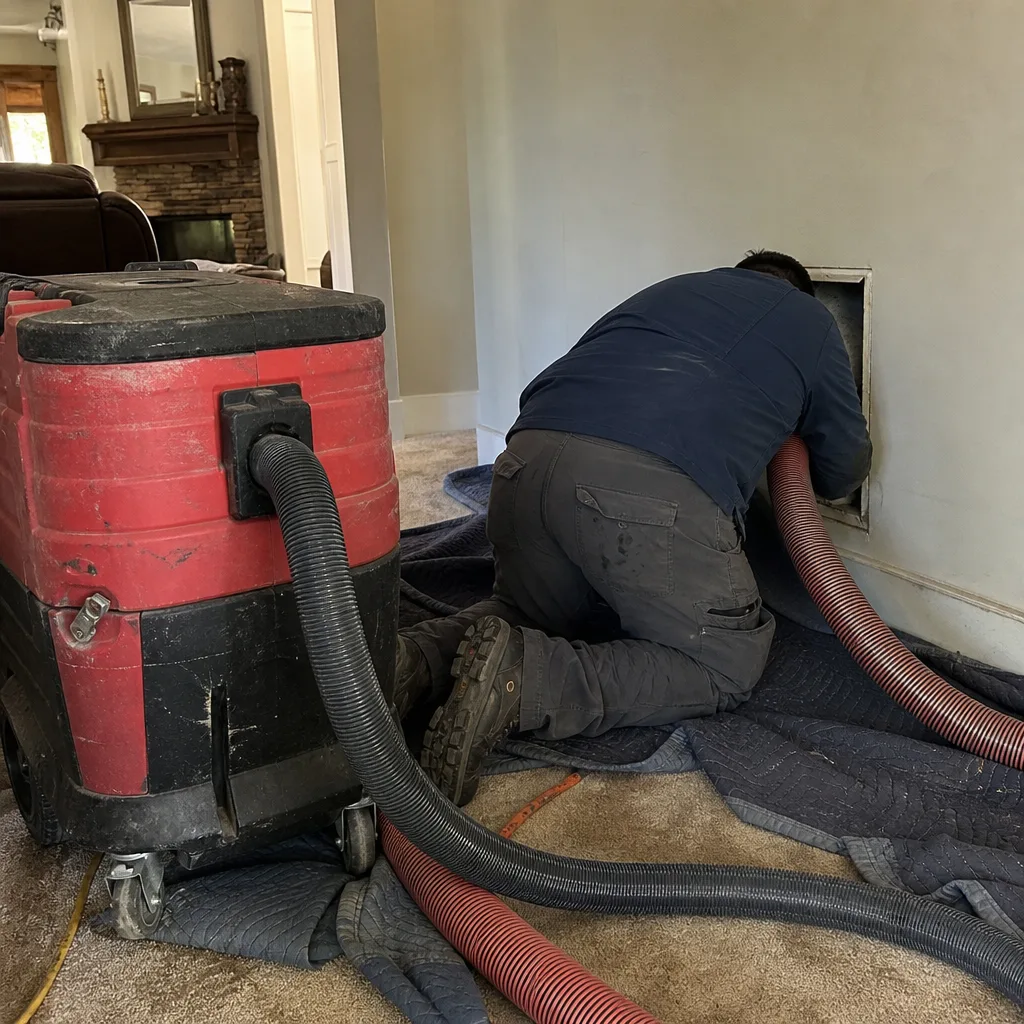 Before
 After
After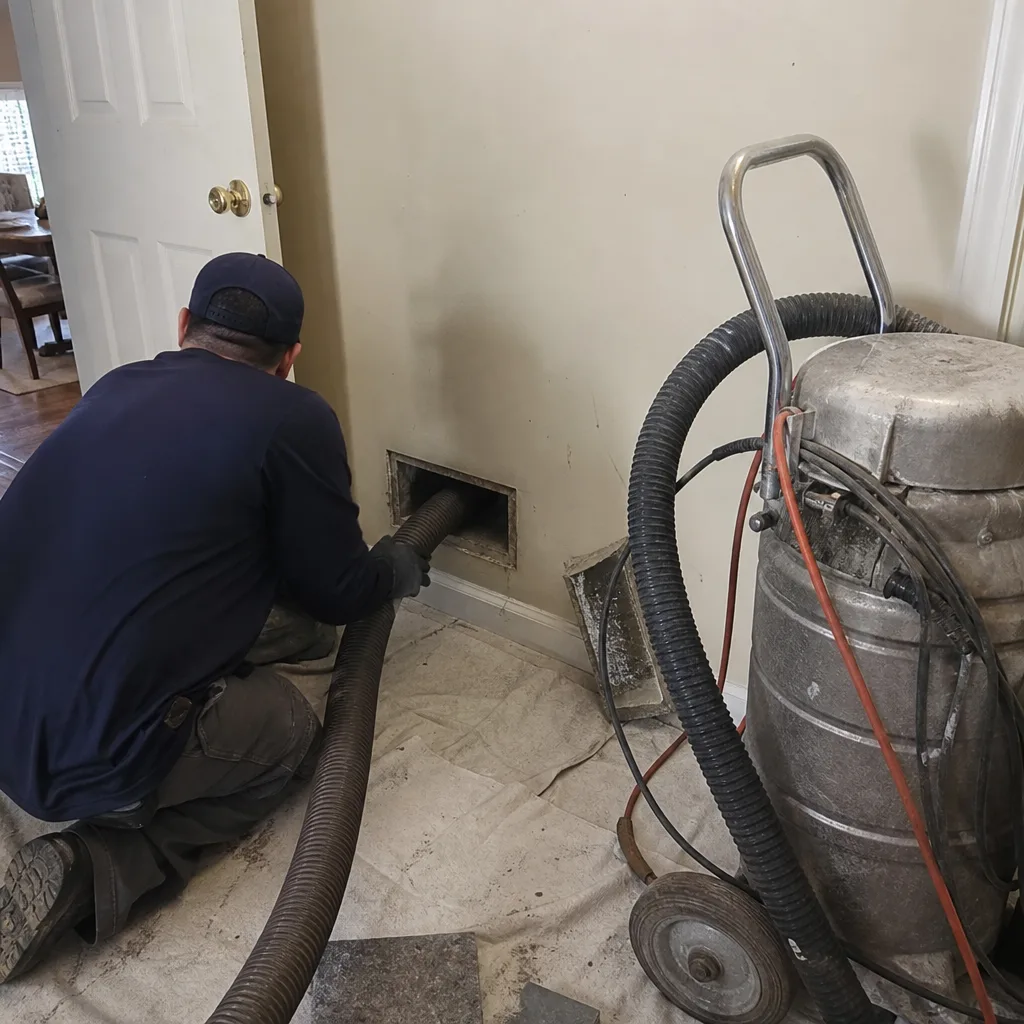 Before
 After
AfterAir Duct Cleaning Warning Signs: A Marietta Homeowner’s Reference Guide
A musty smell that disappears after 20 minutes of running the AC isn’t a sign your ducts are fine. It’s a sign the debris causing the odor has been dispersed into your living space and is no longer concentrated at the source. Most Marietta homeowners wait too long because they’re watching for dramatic symptoms - visible mold, total airflow loss - when the early indicators are subtle, structural, and visible only if you know which three places to look first. This guide shows you exactly what to check, what each finding means, and when documentation matters more than a sales pitch. For a deeper dive, see The Complete Guide to Air Duct Cleaning in Marietta.
Quick Answer
The warning signs that your air ducts need Air Duct Cleaning services fall into three categories: odor indicators (musty, burning, or chemical smells that persist or worsen when the system runs), airflow indicators (uneven temperatures between rooms, weak velocity at specific registers, or longer cooling cycles), and visual indicators (black rings, rust stains, or fuzzy deposits around grille edges, plus red clay dust specific to the Marietta area). New construction homes in Marietta often need cleaning within the first year due to construction debris left in duct runs during the build.
Table of Contents
- Odor Indicators: What Different Smells Reveal About Your Ducts
- Airflow Indicators: Temperature, Velocity, and Runtime Changes
- Visual Indicators: What You’re Actually Seeing at the Grille
- Why Higher Utility Bills Can Signal Duct Problems
- The Attic Inspection Any Homeowner Can Do
- The New Home Warning Sign Marietta Buyers Miss
- Red Clay Dust: A Marietta-Specific Indicator
- Common Mistakes to Avoid
- When to Call a Professional
- Frequently Asked Questions
BeforeAfterOdor Indicators: What Different Smells Reveal About Your Ducts
Smells are the most reported warning sign, and the most misread. Homeowners in East Cobb and the Historic Marietta Square district call us after months of adjusting to an odor they initially blamed on humidity, pets, or a dirty filter. The key is timing: when the smell appears, how long it lasts, and whether it changes with system runtime.
Musty or earthy odors that fade after 15-30 minutes of AC operation are not self-resolving. What happens is the initial airflow concentrates mold spores or organic debris at the register, then distributes them throughout the house. The smell becomes imperceptible because your olfactory receptors adapt and because the contamination is now evenly dispersed. In our work across Marietta since 2013, we’ve photographed active microbial growth in plenum boxes - the central distribution chamber connected to your air handler - that produced exactly this pattern. The homeowner smelled nothing by hour two. The camera showed a 3-inch debris build-up at the first elbow.
Burning or dusty odors when heat first kicks on are often dismissed as normal winter startup. They aren’t, not in Georgia’s climate. Our heating season is short; dust accumulation on heat exchanger surfaces or electric strip elements should be minimal if the system is properly sealed. A burning smell that persists past the first cycle of the season suggests debris in the duct run is contacting hot surfaces, or that the filter bypass is allowing unfiltered return air to carry particulate directly to the heat source.
Chemical or solvent-like odors are the most urgent. They can indicate off-gassing from deteriorating flex duct liner adhesive, particularly in homes built during the 2004-2008 construction wave common in West Cobb and the Kennesaw-Marietta corridor. We’ve found degraded liner material in duct runs where the adhesive breakdown released volatile compounds detectable at registers. This is not a cleaning issue alone; it requires inspection of the duct material itself.
What to document before calling: Note the time of day, outdoor temperature, how long the system was off before startup, and which registers produce the strongest odor. This pattern data helps technicians locate the source faster than any single test.
Airflow Indicators: Temperature, Velocity, and Runtime Changes
Airflow problems develop gradually. The homeowner who notices them has usually lived with incremental decline for 18-24 months. We recommend three specific checks that require no tools.
- The hand velocity test at each register: With the system running on high fan, hold your palm 6 inches from each supply grille. In a balanced system, velocity should feel similar across rooms on the same floor. A register that feels noticeably weaker - not absent, just reduced - suggests either a blockage in that duct run or a leak upstream. In Marietta’s older homes near Whitlock Avenue, we’ve found collapsed flex duct sections in crawl spaces that reduced bedroom airflow by 40% before the homeowner noticed anything beyond “that room runs a little warm.”
- The temperature split between rooms: Use any thermometer. Measure air temperature at a central supply register and at a problem register after 10 minutes of continuous operation. A difference of more than 3-4 degrees indicates either restricted flow or duct leakage. In summer, a leaking return duct in a hot attic pulls 130-degree air into the system, mixing with conditioned air and raising the delivered temperature. The system runs longer to compensate. The homeowner feels “poor cooling.” The actual problem is duct integrity.
- Runtime extension: Compare your current cooling cycles to prior years. If your thermostat now takes 14 minutes to drop one degree where it once took 9, the system is working harder for the same result. This can be caused by restricted duct runs increasing static pressure, forcing the air handler to move less air at higher energy draw. It’s measurable on your utility bill, which we cover in the next section.
One pattern specific to Marietta’s climate: homes with significant tree cover in neighborhoods like Indian Hills or Paper Mill Ridge often develop return duct blockage from pollen and organic debris accumulation. The airflow restriction is seasonal, peaks in late April, and is frequently misdiagnosed as refrigerant issues by technicians who don’t inspect the full duct path.
Visual Indicators: What You’re Actually Seeing at the Grille
The area around your supply and return grilles is a diagnostic surface. What accumulates there, and in what pattern, tells a trained eye where to look inside the system. Here’s what three common visual signatures mean.
Black rings or smudging on the ceiling around grilles are not “just dust.” This pattern, called deposition staining, occurs when airborne particulate is carried through small gaps between the duct boot and the ceiling drywall, then deposits on the surrounding surface due to pressure differentials. The particulate is fine enough to escape the register seal but heavy enough to settle. In Marietta homes with this pattern, we’ve consistently found that the duct boot connection has separated from the flex duct collar, creating a leak path. The black material is often a mix of attic insulation fibers, dust, and combustion particulate if a gas appliance is nearby. Cleaning the surface doesn’t solve it; sealing the boot connection does, and the cleaning follows.
Rust-colored rings indicate moisture history. The rust forms on the metal duct boot or register frame when humid attic air enters through gaps and condenses on cooler surfaces. In Georgia’s humidity, this is common at bathroom exhaust fan ducts and kitchen range hood connections that were improperly terminated. We’ve found rust staining in Marietta townhomes near the Avenue East Cobb where the builder had combined exhaust ducts in the attic without proper backdraft dampers, allowing moist air to migrate between units.
Fuzzy grey or white deposits on grille louvers are typically fibrous material from degraded duct liner or filter media. If the deposit is wipeable and returns within 2-3 weeks, the source is active. We’ve photographed this in homes using low-MERV fiberglass filters that shed fibers when the system starts against high static pressure. The solution is not more cleaning; it’s proper filtration and pressure diagnosis. But the accumulated material in the duct run still needs removal.
Key distinction: Surface cleaning around the grille addresses appearance. Only duct cleaning addresses the source of material that created the pattern.
Why Higher Utility Bills Can Signal Duct Problems
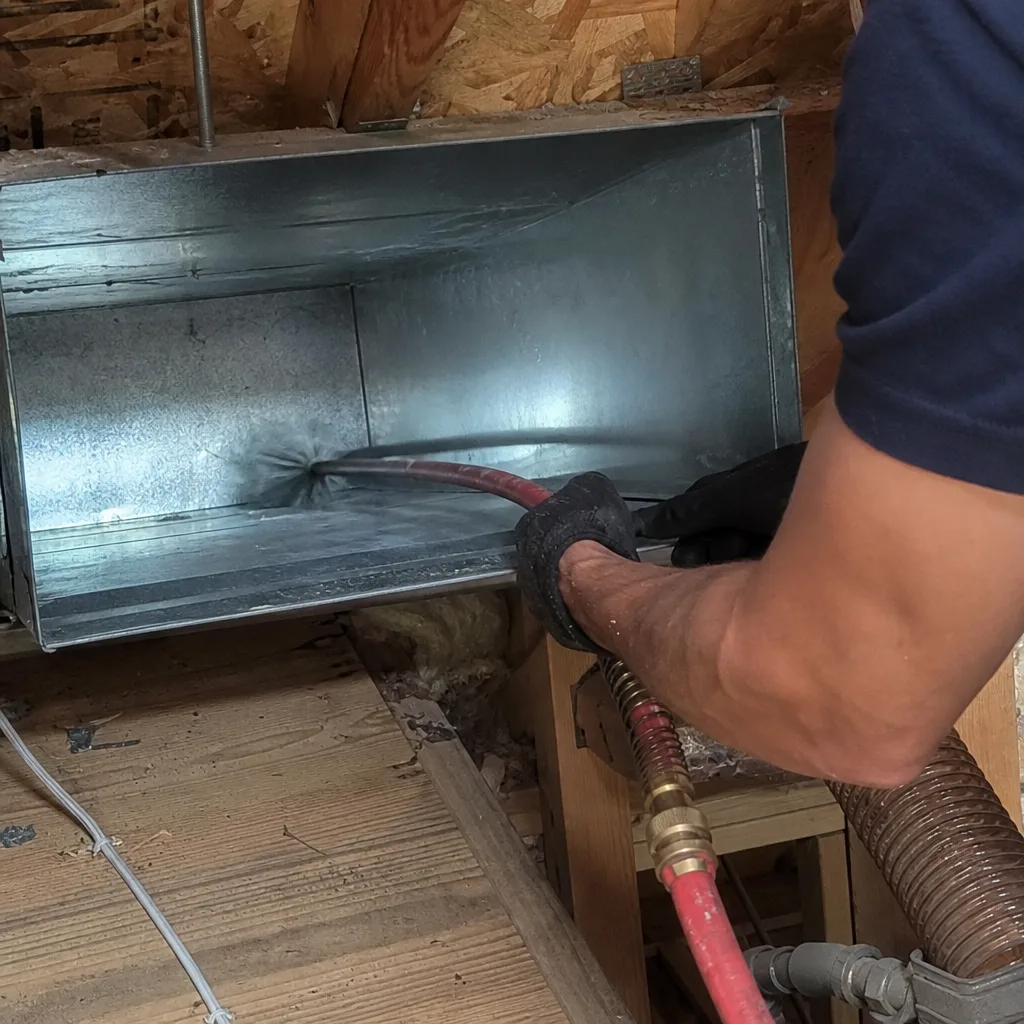
Increased energy consumption is a legitimate, quantifiable warning sign. The mechanism is straightforward: restricted or leaking duct runs force the air handler to operate longer and harder to deliver the same conditioned air volume. The homeowner pays for runtime, not comfort.
To establish whether your bill increase is duct-related, calculate a baseline comparison. Pull 24 months of usage from your Georgia Power account. For each month, divide total kilowatt-hours by cooling degree days (CDD) for that billing period. CDD data is available from NOAA’s Atlanta regional station, which covers Marietta. This normalizes for weather variation. If your kWh/CDD ratio has increased 15% or more year-over-year, and your thermostat habits haven’t changed, the efficiency loss is mechanical.
Common duct-related causes we find in Marietta:
- Return duct leakage in the attic: Pulls 120-140 degree air into the system during summer, increasing the cooling load by 20-30% in severe cases. The air handler runs continuously but never satisfies the thermostat.
- Supply duct leakage: Conditions the attic or crawl space instead of the living space. The homeowner lowers the thermostat setting to compensate, extending runtime further.
- Debris accumulation at the evaporator coil or in the plenum: Increases static pressure, reducing airflow across the coil. The refrigerant cycle becomes less efficient, and the compressor draws more current for the same cooling output.
A documented photo record helps here too. When we clean a system with elevated energy use, the before-and-after images of the evaporator coil and plenum often show the restriction that was driving the inefficiency. The homeowner sees the correlation directly.
CleanRun’s pricing for duct cleaning in Marietta is a flat rate per system, agreed in writing before work starts - Haven Standard Clause 1. We don’t charge per vent or per hour, so the calculation of payback from energy savings is simple arithmetic.
The Attic Inspection Any Homeowner Can Do
You don’t need to enter your attic to check what matters. A flashlight and a camera phone are sufficient for the inspection points visible from the hatch or scuttle hole. What you’re looking for are structural failures in the flex duct runs that connect your air handler to the distribution boots at each room.
What a healthy flex duct run looks like: Smooth, gradual bends with support straps every 4-6 feet. The insulation jacket is intact, with no compression or gaps. Collar connections - where the flex duct meets metal fittings - are sealed with mastic or proper tape, not deteriorating cloth-backed tape. The run has slight sag between supports but no sharp dips or kinks.
What failure looks like:
- Kinks or sharp bends: Flex duct has an internal wire helix that maintains shape. When kinked, the cross-sectional area is reduced by 50% or more. Airflow is restricted, and the increased velocity at the kink creates turbulence that deposits debris upstream. We’ve found kinks in Marietta attics where the installer left excess duct length in a pile rather than cutting to fit.
- Sags below the support line: When a strap fails, the duct hangs in a U-shape. Condensate collects in the low point if any moisture is present, creating a reservoir for microbial growth. In humid Georgia attics, this is a predictable failure mode.
- Collar separation: The connection between flex duct and metal collar has pulled loose, often visible as a gap with insulation protruding. This is a direct leak path. Conditioned air escapes into the attic; attic air enters the return. The homeowner experiences both energy loss and contamination.
- Crushed or compressed sections: Often caused by storage placed on duct runs, or by workers in the attic stepping on them. The internal helix is deformed permanently. Airflow is restricted even if the duct appears to recover shape.
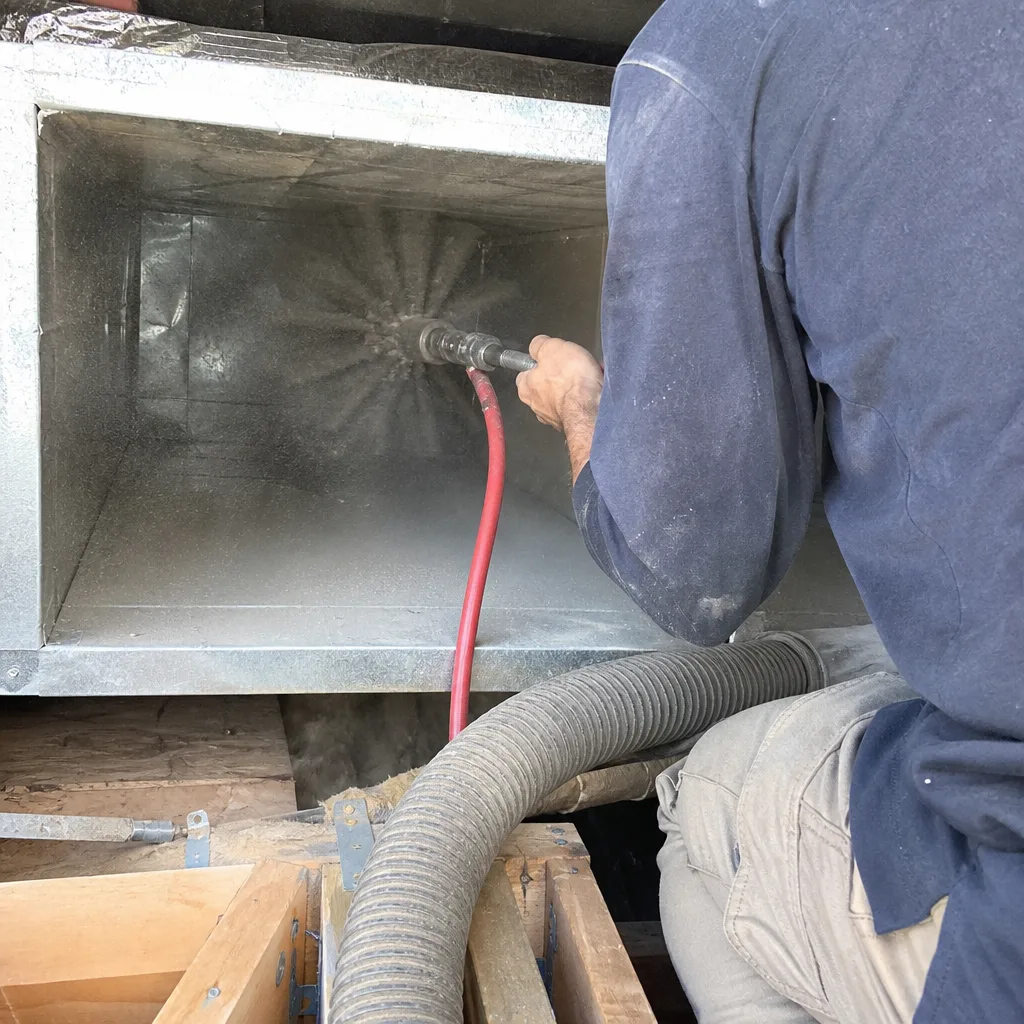
Document what you find with photos. If you see any of these conditions, the duct system needs repair before or concurrent with cleaning. Running a Rotobrush or negative-pressure extraction system through a separated duct run simply deposits debris in your attic and pulls attic air into your living space.
CleanRun’s crews are trained to inspect these points before recommending any cleaning scope. The written price we deliver includes what we find, not what we assume.
The New Home Warning Sign Marietta Buyers Miss
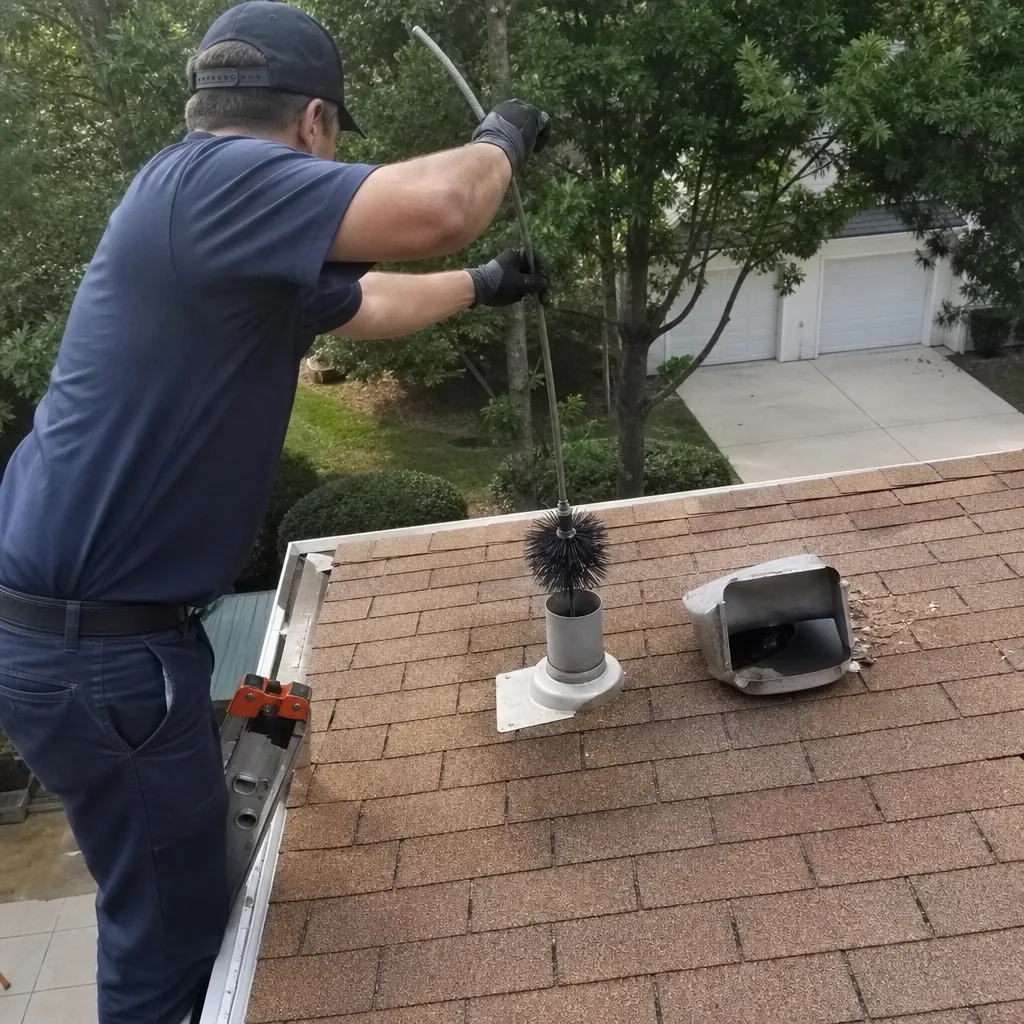
New construction is not clean construction. In Marietta’s active build areas - the East-West Connector corridor, the Kennesaw Mountain View corridor, and infill near Sandy Plains Road - we’ve documented construction debris in duct runs of homes less than 12 months old on dozens of occasions. This is not a sales pitch. It’s a build-phase reality that the HVAC contractor rarely addresses adequately.
During construction, the duct system is installed before drywall, flooring, and finish carpentry. It runs open for weeks or months, collecting:
- Drywall dust from sanding operations - fine gypsum particulate that passes through standard pre-occupancy filters
- Wood shavings from trim installation and door hanging
- Insulation fibers from blown-in attic work, particularly if the attic access was through a ceiling register
- Fasteners, beverage containers, and debris left by trades working in the chase
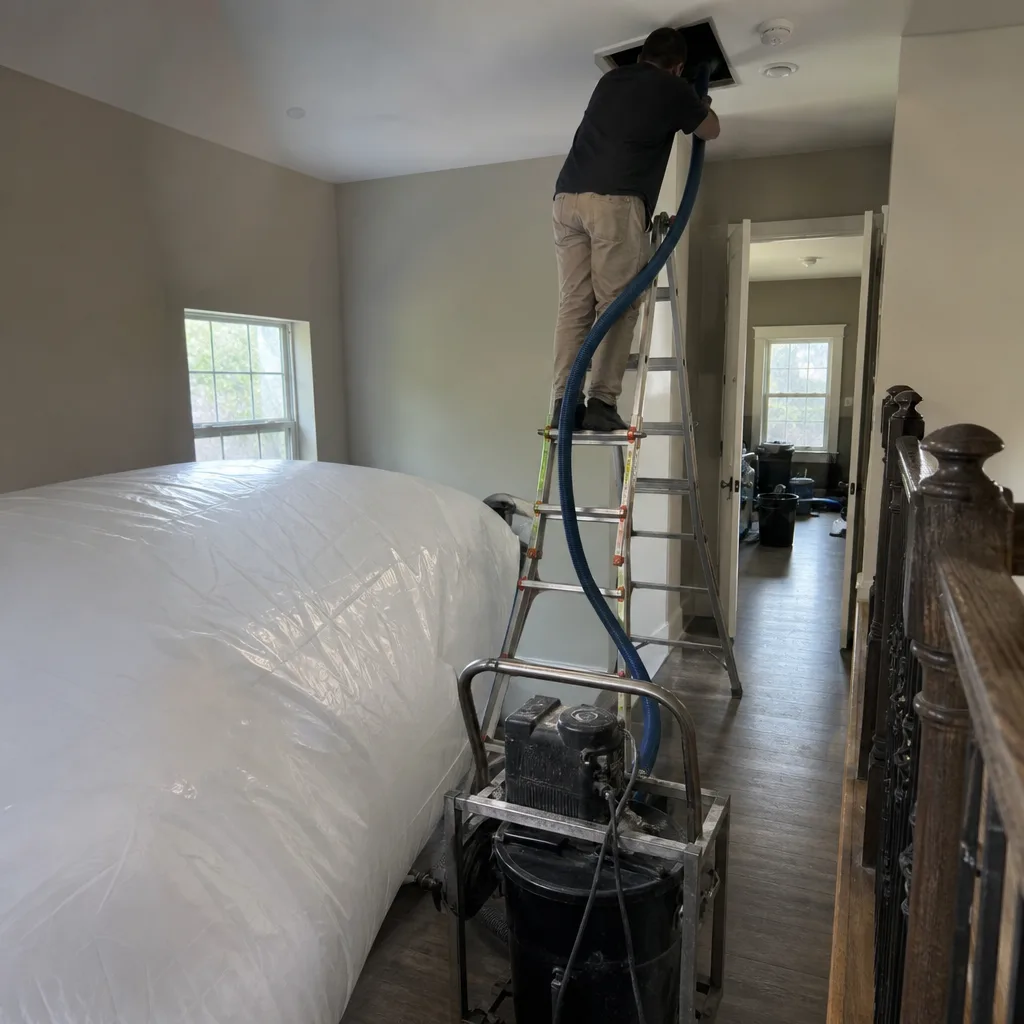
The builder’s “duct cleaning” before closing is typically a shop vacuum at the register, not a system-wide extraction. We’ve photographed 2-inch debris piles at the first elbow of new duct runs, and filter frames installed without filters during construction that allowed unrestricted contamination of the air handler.
For Marietta homeowners who purchased between 2015 and 2025 - the peak appreciation period in this market - the documentation matters for resale. A professional air duct cleaning in Marietta with a photo record establishes that the system was properly commissioned, not merely turned on. The 365-Day Done Right Promise applies to new construction work the same as any other job; if debris remains or damage from the build is discovered, we make it right in writing.
Red Clay Dust: A Marietta-Specific Indicator
The geology of Cobb County is visible in your ductwork. The red clay soil that defines this region becomes airborne during dry periods, particularly in construction areas and where landscaping is disturbed. When it appears at your supply registers, the pattern tells you whether it’s normal filter bypass or a duct integrity problem.
Normal filter bypass: Fine red dust accumulates slowly on the grille surface, wipeable, and matches the general dust in the home. The filter is doing most of its job; some particulate passes through or around the edges. Upgrade to a tighter filter frame seal or higher MERV rating.
Duct integrity problem: Red clay deposits are concentrated, gritty, and recur rapidly after cleaning. The particles are larger than what passes through a standard filter. This indicates a return duct leak in a crawl space or basement, or a missing/blocking return path that’s pulling makeup air through wall cavities from the exterior. The system is actively importing Georgia clay into your living space.
We’ve found this pattern in Marietta homes near construction zones, where vibration from equipment has loosened duct connections, and in older homes with original metal ductwork where seams have opened. The red color is diagnostic - it rules out common indoor sources like skin cells or textile fibers.
A documented photo record of the register condition, combined with duct leakage testing, identifies the entry point. Cleaning removes the accumulated material; sealing stops the recurrence. Both are documented in the job record delivered to the customer.
Common Mistakes to Avoid
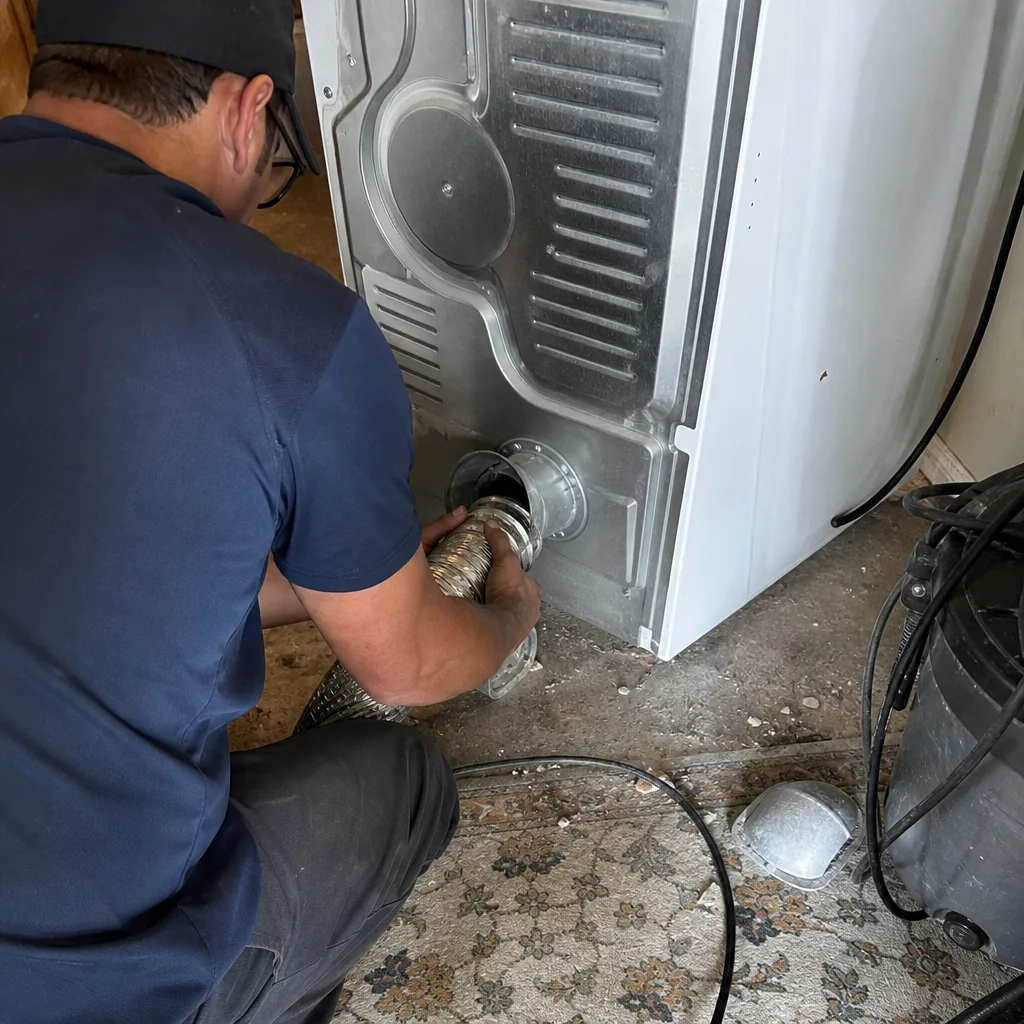
- Waiting for visible mold before acting. Mold in ductwork is rarely visible from the living space until the problem is advanced. By the time you see it at the register, the plenum and multiple runs are typically affected. The early sign is the musty odor pattern described above.
- Replacing the filter repeatedly without checking the return duct path. A clean filter in a leaky return system is still pulling unfiltered attic or crawl space air. We’ve seen Marietta homeowners change filters monthly while missing a separated return collar 8 feet away in the attic.
- Assuming new construction is clean. The drywall dust and construction debris in new duct runs is documented, photographable, and predictable. Don’t accept “it’s new so it’s fine” from any source.
- Accepting per-vent pricing. This structure incentivizes the technician to find more vents, not to solve your problem. CleanRun’s flat price per system, established in writing before work starts under Haven Standard Clause 1, eliminates this conflict.
- Ignoring seasonal patterns. If your symptoms peak in April (pollen) or July (peak humidity), the cause is likely outdoor air infiltration through duct leaks, not a dirty system alone. Cleaning helps; sealing stops the cycle.
- DIY register cleaning as a substitute for duct cleaning. Removing and washing grilles improves appearance. It does not address the 20-40 feet of duct run behind each one, or the plenum where debris concentrates.
- Not requesting documentation. Any duct cleaning company can make claims. Only a documented photo record of every run, before and after, proves what was done. CleanRun has delivered this on every job since 2013.
When to Call a Professional
Call when you have documented a pattern: an odor that returns, a room that won’t balance, a utility increase you can’t explain, or visual evidence at the grille. Don’t wait for the dramatic failure. The cost of addressing restricted airflow early is a scheduled cleaning. The cost of waiting is compressor strain, coil damage, or indoor air quality complaints that affect your family’s health.
CleanRun Air Duct Cleaning Marietta offers free estimates in Marietta. We’ll put a written price in your hand before any work starts, and every scope includes a documented photo record of every duct run. Call (470) 516-9337 to schedule.
Frequently Asked Questions
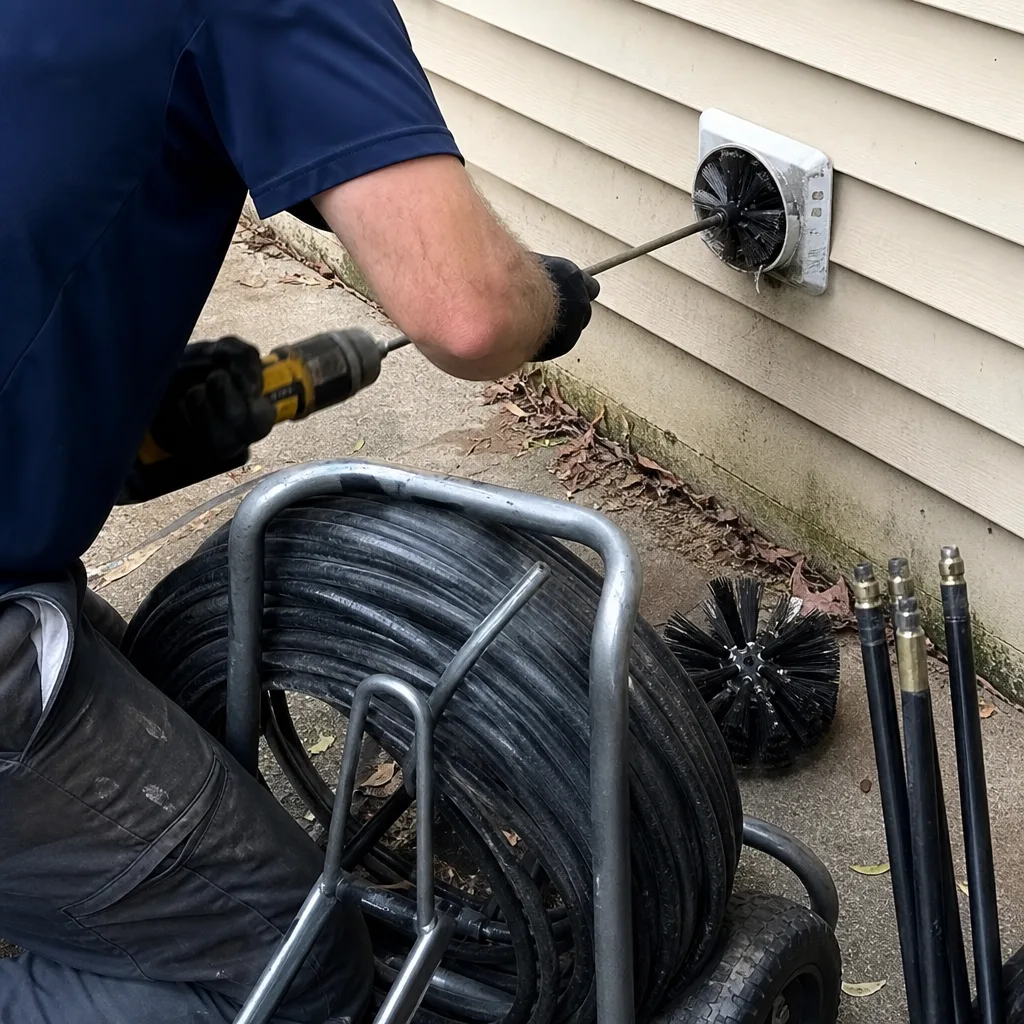
Whole-system duct cleaning in Marietta typically ranges from $400 to $800 for a standard residential system, depending on the number of air handlers, accessibility, and whether duct repair or sealing is needed. CleanRun quotes one flat price per system in writing before work begins - no per-vent add-ons, no post-arrival surprises. Call (470) 516-9337 for an exact quote; estimates are free.
The $79-$99 coupon offers typically cover a brief vacuum at accessible registers, not a full-system cleaning with negative-pressure extraction and rotary brushing of each duct run. The low price gets the van on your driveway; the upsell begins once the technician is inside. CleanRun’s written price under Haven Standard Clause 1 includes the complete scope - every run, the plenum, the air handler cabinet - with no additional charges for “extra vents” or “deeper cleaning.”
Request the documented photo record before you hire any company. CleanRun photographs the inside of every duct run before and after cleaning, with timestamps, and delivers these images as part of the standard job record. If a company cannot show you what they found and what they removed, you have no verification that the work occurred.
For most Marietta homes, every 3-5 years is appropriate if the system is well-maintained and no specific warning signs appear. Homes with pets, recent construction, or known duct leaks may need more frequent service. New construction homes should be inspected within the first year. The correct interval is determined by inspection, not calendar.
Homeowners can and should replace filters regularly, keep registers clean, and inspect visible ductwork in attics or crawl spaces for damage. However, professional-grade cleaning requires negative-pressure containment equipment, rotary brushes sized to duct diameter, and access tools that prevent damage to flex duct interiors. DIY vs Professional Air Duct Cleaning: The Marietta Homeowner’s Decision Guide explains why household vacuums can damage duct liner, dislodge connections, or release concentrated debris into the living space without proper containment.
Georgia’s humidity and pollen load create specific stress on duct systems. High humidity promotes condensation in leaks and low points, supporting microbial growth. The heavy spring pollen season loads filters and can overwhelm systems with return leaks. The red clay soil introduces abrasive particulate that accelerates wear on air handler components. These factors don’t make duct cleaning more frequent for every home, but they do make proper sealing and documentation more important than in drier climates.
The Bottom Line
The warning signs that matter are subtle, structural, and specific to what you can observe: odor timing, airflow balance, visual patterns at the grille, energy use trends, and attic duct condition. The dramatic symptoms - visible mold, total failure - are late-stage outcomes of problems that were detectable months earlier. Document what you find, understand that new construction carries its own risks, and demand written pricing and photographic proof from any company you hire. For more guides & resources on maintaining your system, visit our blog. In Marietta’s climate and housing market, the cost of informed early action is far lower than the cost of deferred maintenance.
Written by Tomas Reyes, Owner at CleanRun Air Duct Cleaning Marietta, serving Marietta since 2013.