
Last updated September 23, 2026
Whole-system duct and dryer vent check with before-and-after photos - you see exactly what came out of your vents
That "$99 whole-house special" is a bait ad - the real number appears once they are in your hallway, or the "clean" is a shop-vac at the register. We photograph the inside of your ducts before and after instead.
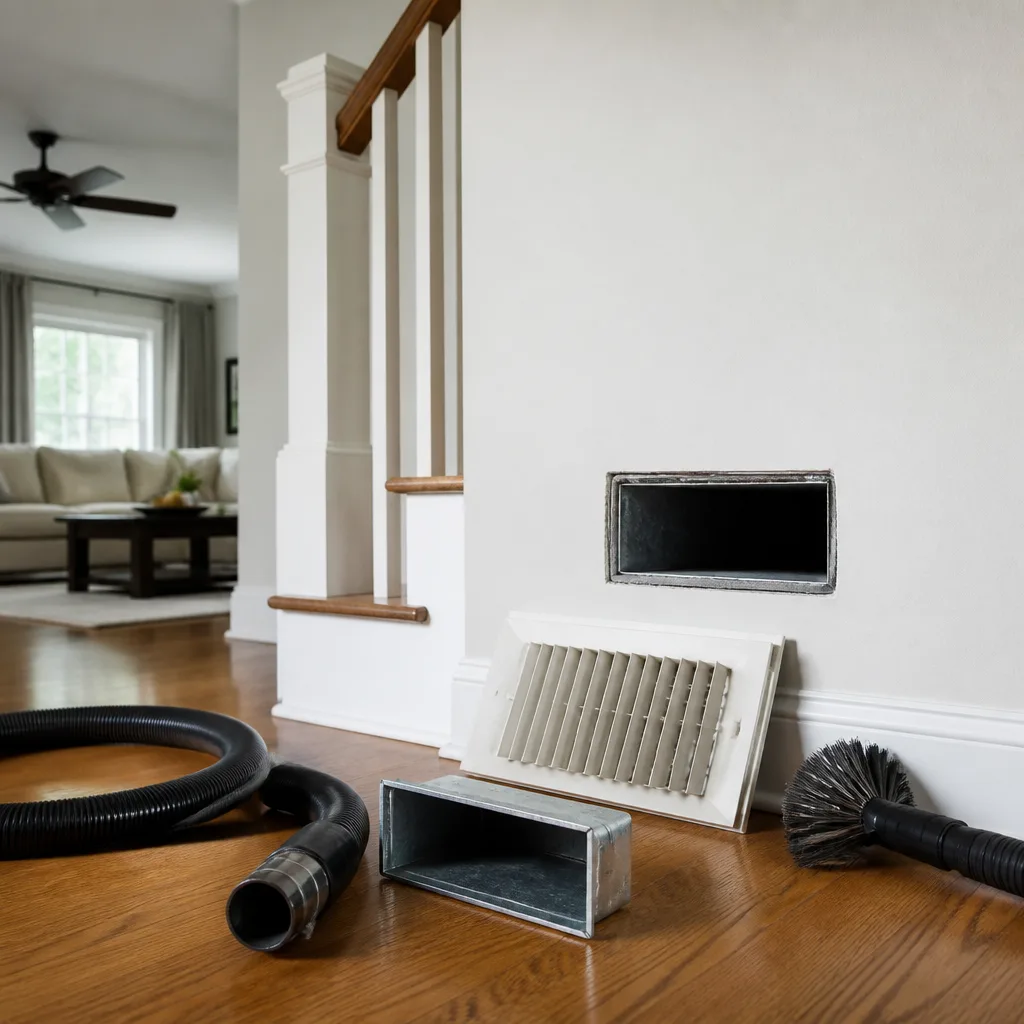
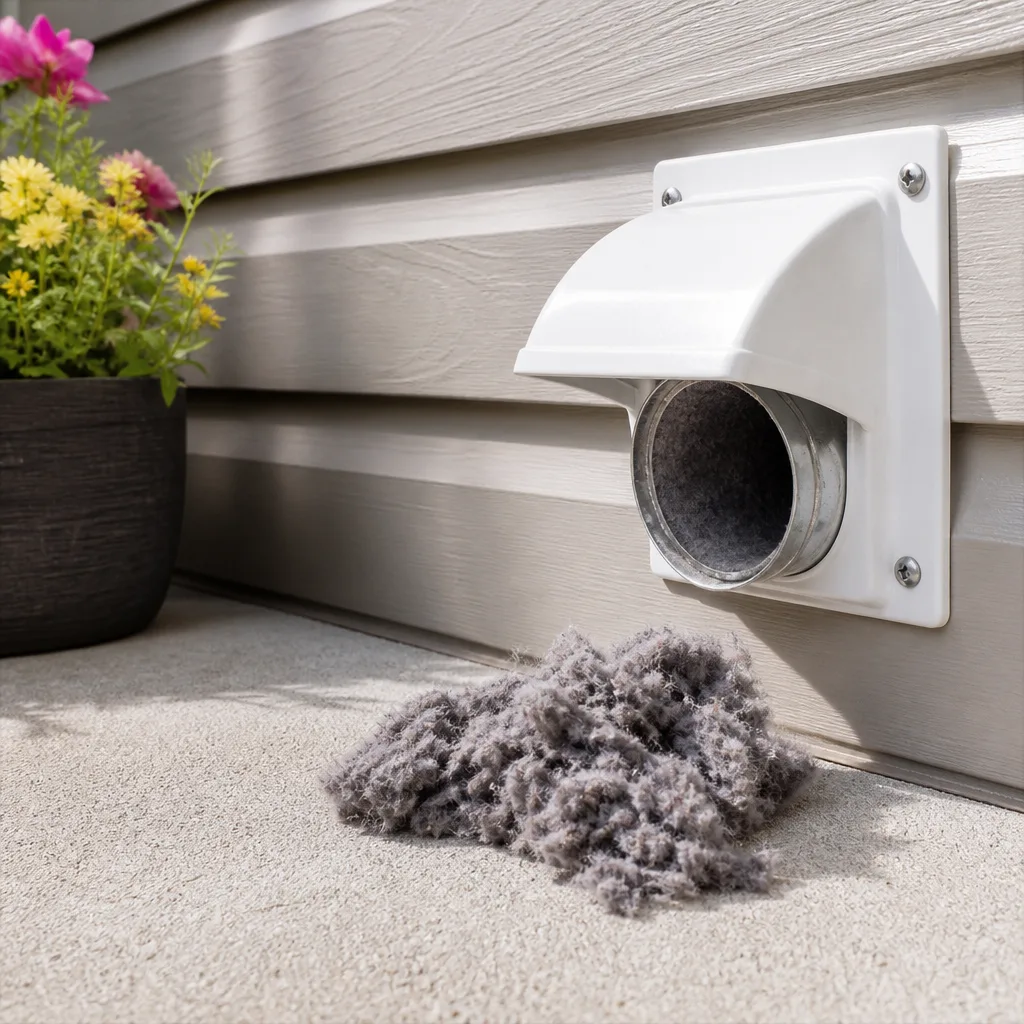
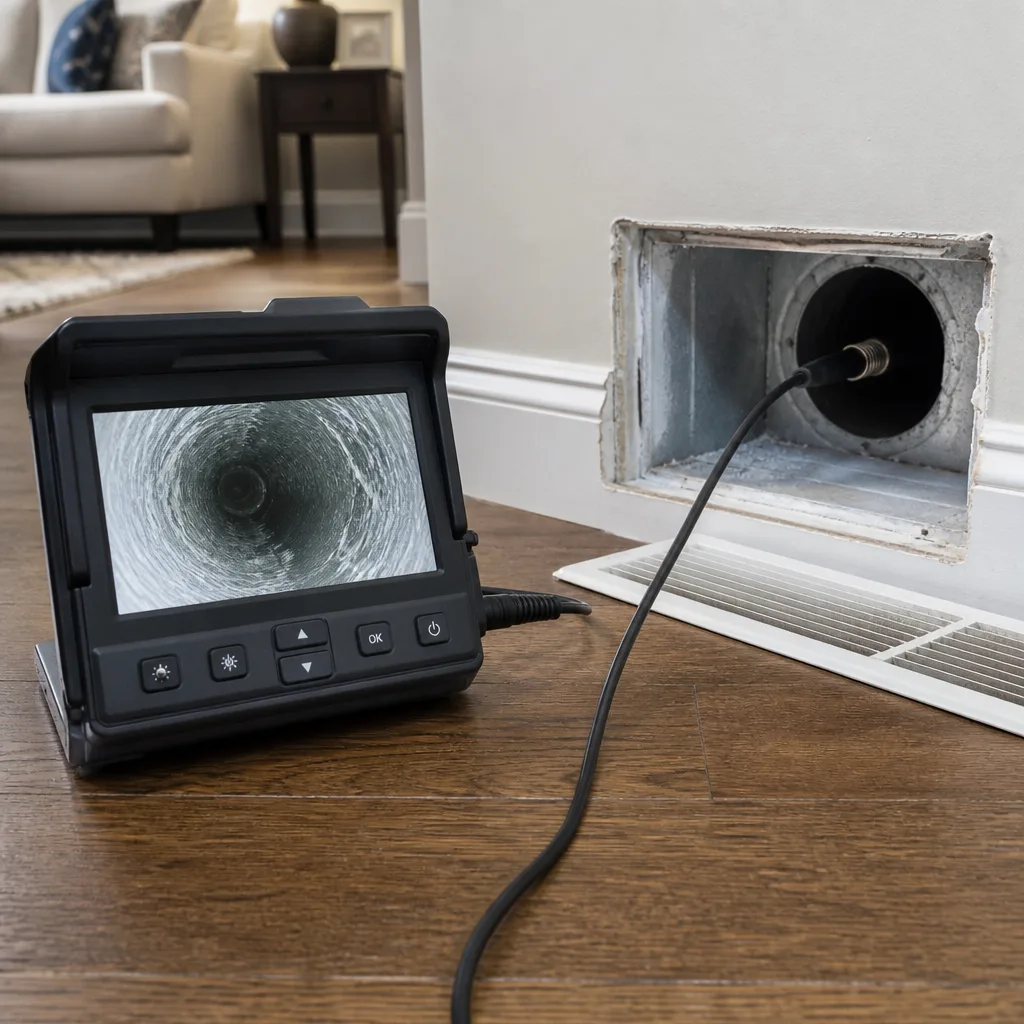
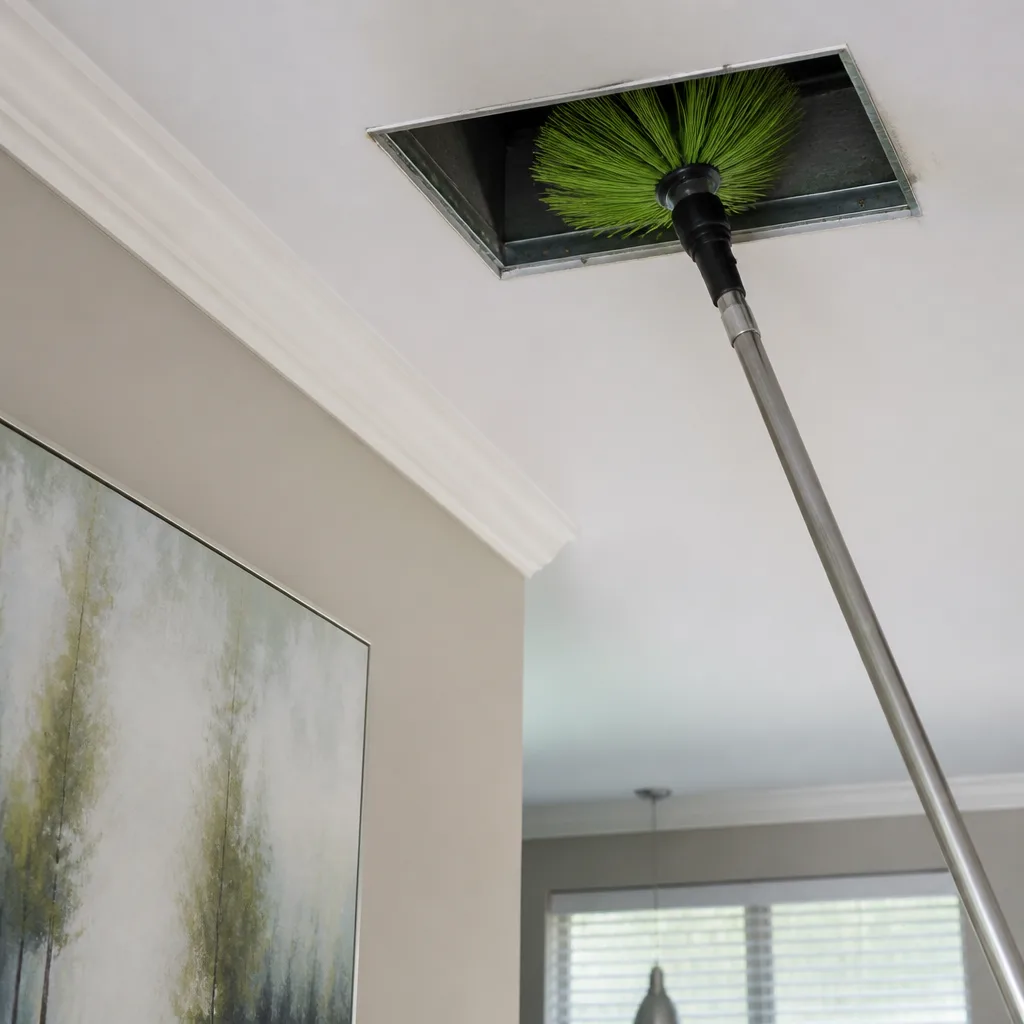
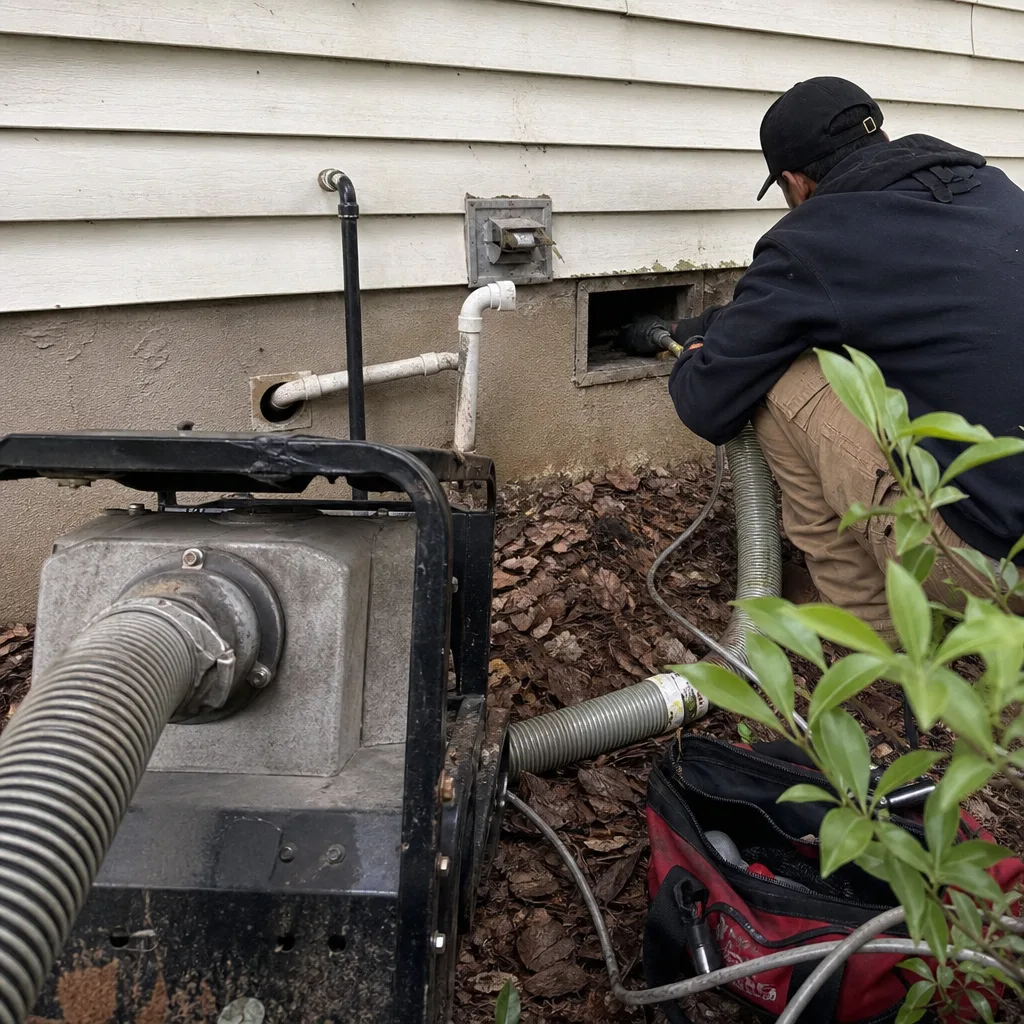 Before
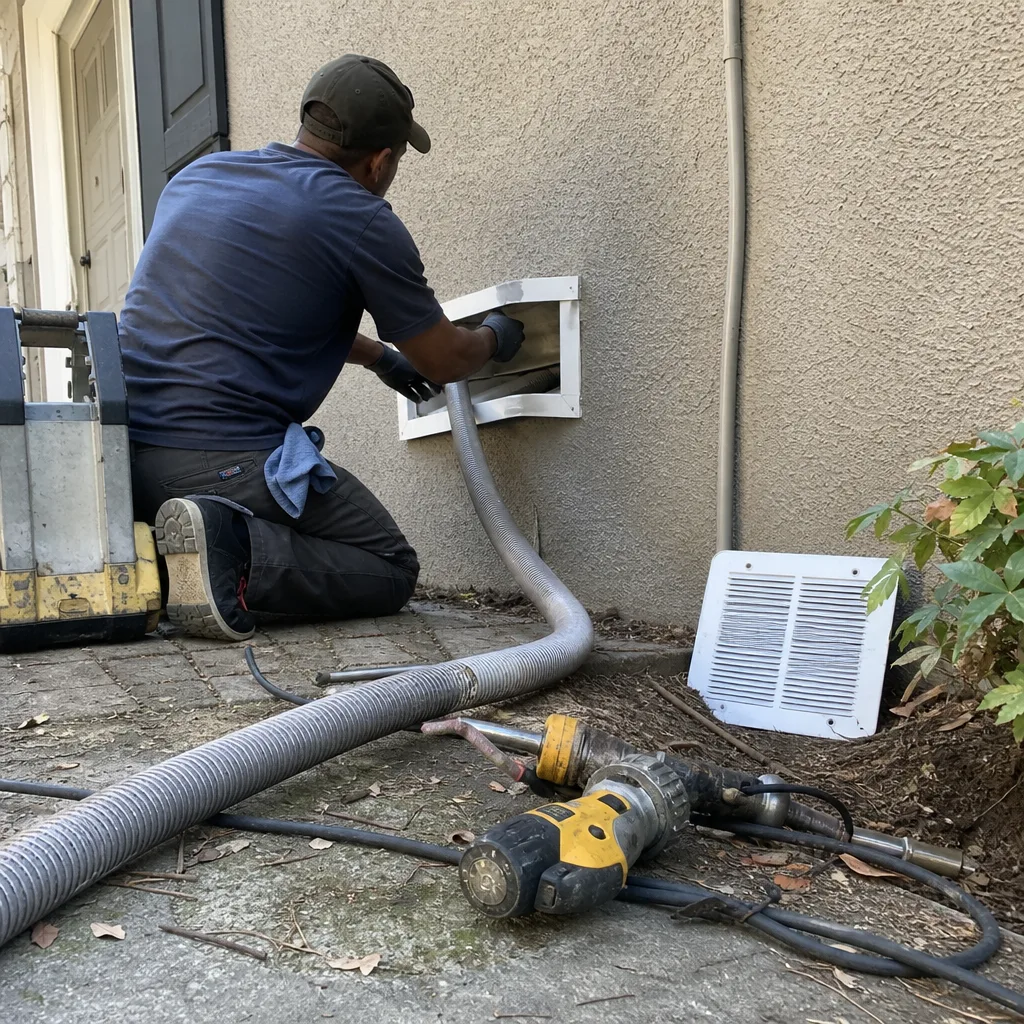 After
After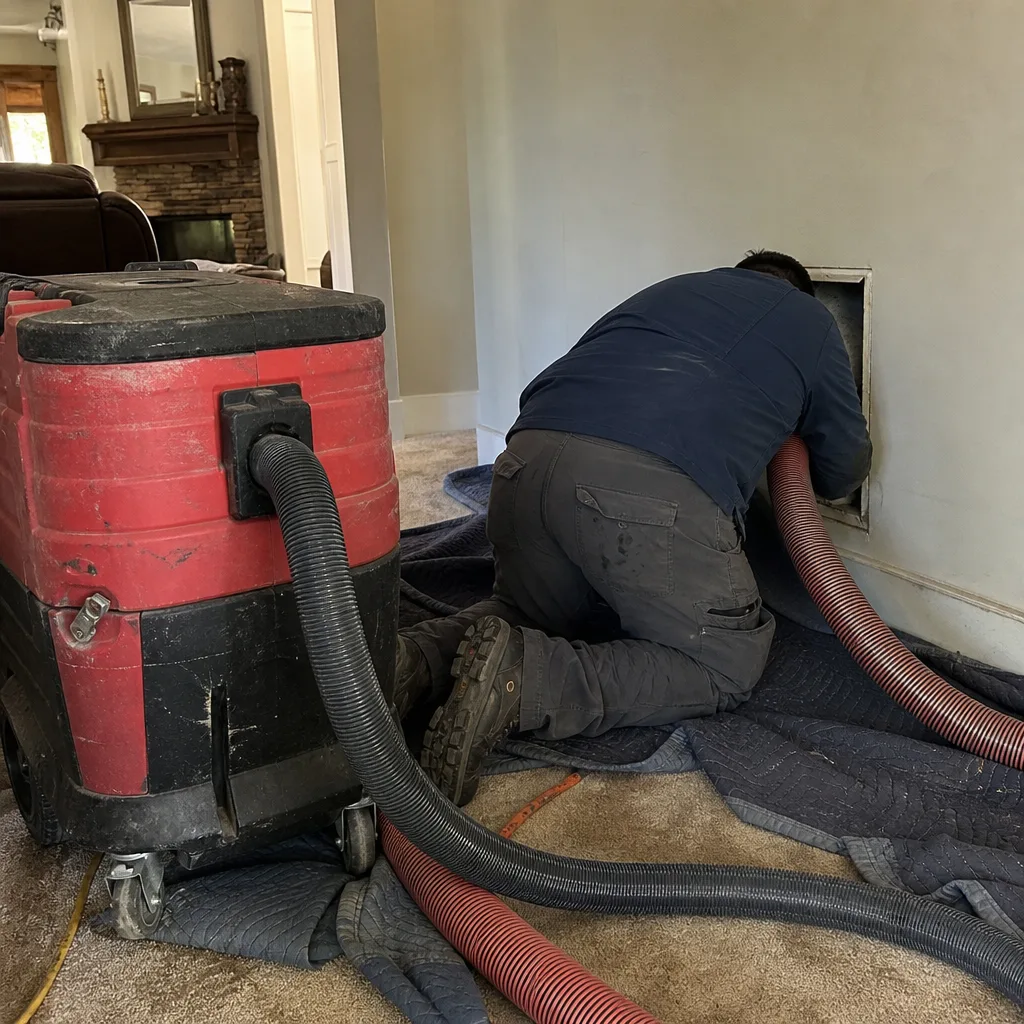 Before
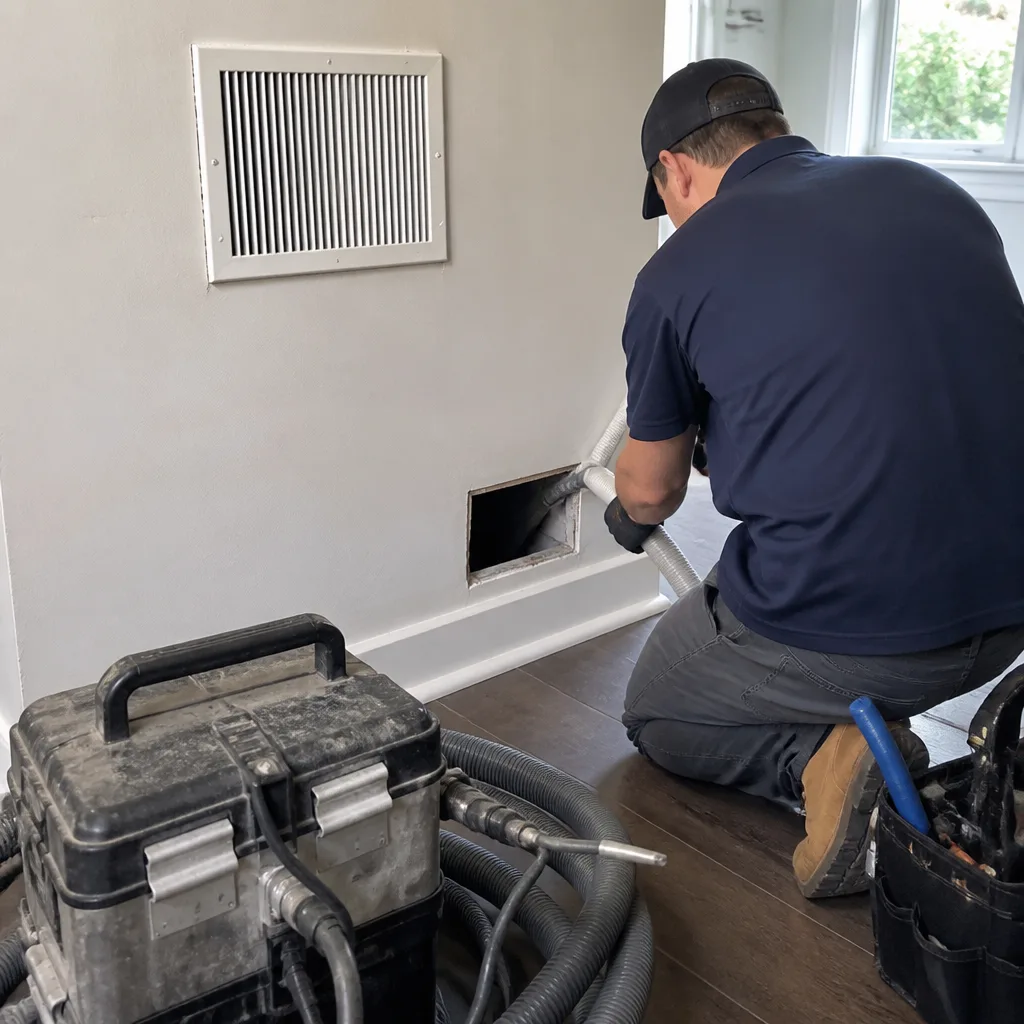 After
After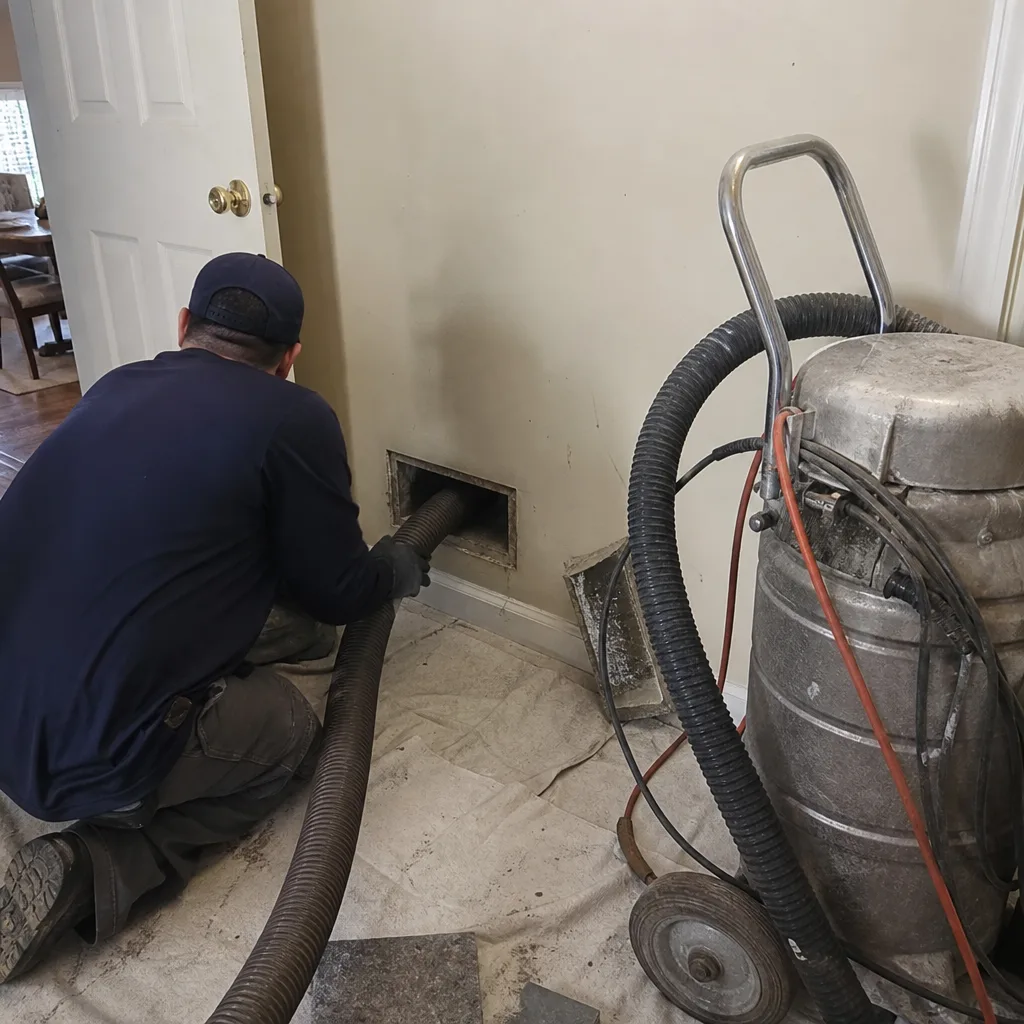 Before
 After
AfterThe Complete Guide to Air Duct Cleaning in Marietta
A shop-vac on a wand generates about 200 CFM of suction. A truck-mounted negative-pressure system generates 3,000-5,000 CFM. Both are called “air duct cleaning” on the invoice. In Marietta, where red clay dust works its way into crawl spaces and summer humidity stays above 70% for months, that distinction matters more than most homeowners realize. This guide is a field manual for what a legitimate Air Duct Cleaning services job actually looks like, from the first phone call to the final photo report. You’ll learn how to read a scope of work, what equipment specs to request, how to evaluate before-and-after documentation, and what a fair price looks like for a Marietta home.
Quick Answer
Professional air duct cleaning in Marietta costs $450-$850 for a standard single-family home and should include negative-pressure source removal of all supply runs, return runs, main trunk lines, and the air handler, with photographic documentation of every duct run before and after work. A legitimate job takes 3-5 hours for a typical 2,000-square-foot home and uses equipment generating at least 3,000 CFM of suction.
Table of Contents
- What Full-System Cleaning Actually Includes
- Negative-Pressure vs. Contact Vacuum Methods
- How to Read Before-and-After Photo Documentation
- Marietta-Specific Conditions That Affect Your Ducts
- What Air Duct Cleaning Costs in Marietta
- How to Choose a Contractor in Marietta
- What Happens During the Appointment
- How Often to Schedule Cleaning
BeforeAfterWhat Full-System Cleaning Actually Includes
Most disputes between homeowners and duct cleaners start with a mismatch in expectations about scope. A technician who cleans only the registers and the first few feet of each duct run has not performed a full-system clean, even if the invoice uses that language.
A complete job addresses five distinct zones:
- Supply runs - the individual ducts that carry conditioned air from the main trunk to each room register
- Return runs - the ducts that draw air back to the air handler, often the dirtiest part of the system because they lack filtration until the air reaches the filter
- Main trunk lines - the large central ducts, typically rectangular, that distribute air to the supply runs and collect it from the return runs
- Air handler and blower assembly - the furnace or air handler cabinet, including the blower motor and wheel, which can redistribute debris if not cleaned
- Evaporator coil - the A-coil above the furnace that removes humidity from the air; a clean coil improves airflow and efficiency
Stopping at the registers is like washing your car’s hood and calling it a full detail. We’ve opened systems in East Cobb where the visible registers looked acceptable but the camera showed a 2-inch debris layer at the first elbow of every return run. The homeowner had paid for “whole-house duct cleaning” six months earlier.
The written scope of work should name each of these five zones explicitly. If the proposal mentions only “vents” or “registers,” ask for clarification. Haven Standard Clause 1 requires a written price for a defined scope before any work starts, and that scope should be specific enough that you can verify completion against it.
Negative-Pressure vs. Contact Vacuum Methods
Equipment specifications are where the $79 coupon separates from the legitimate job. You don’t need to become an HVAC technician to ask the right questions, but you do need to understand two fundamentally different approaches.
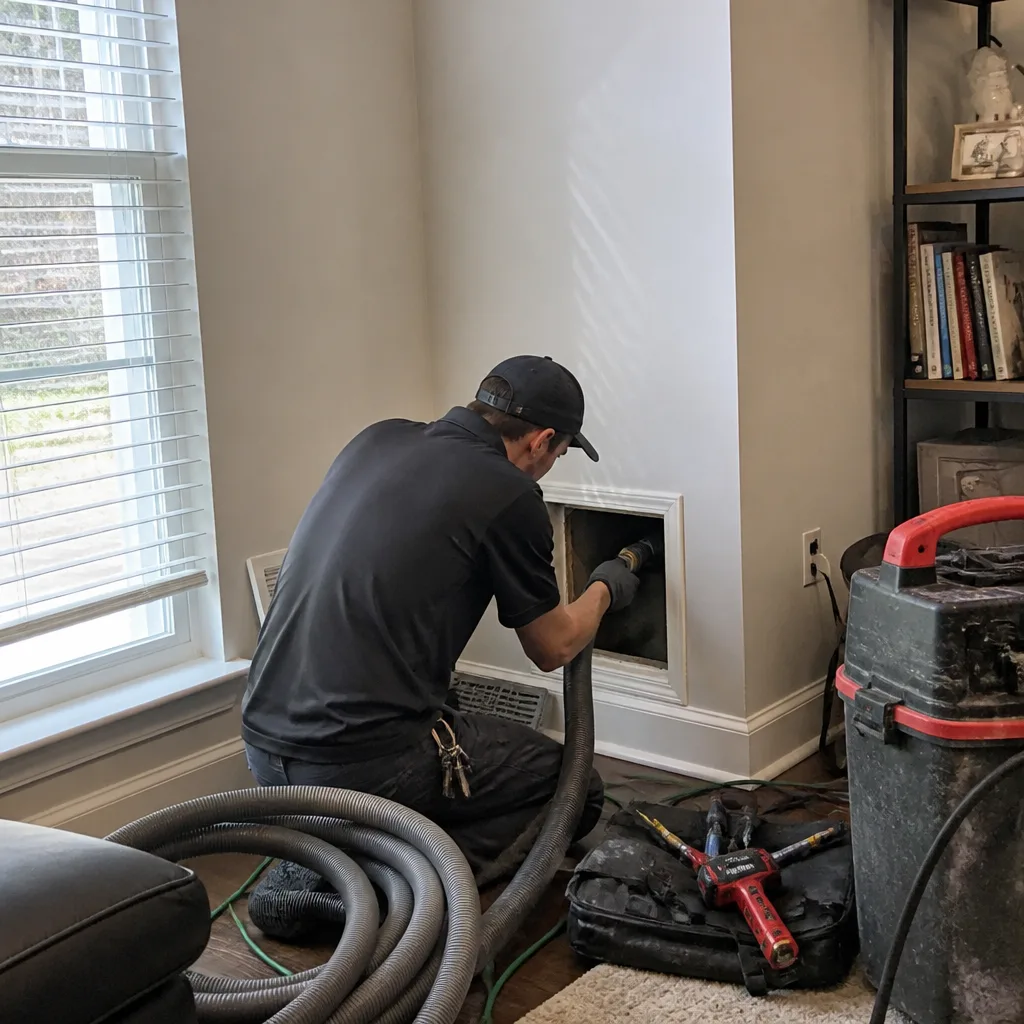
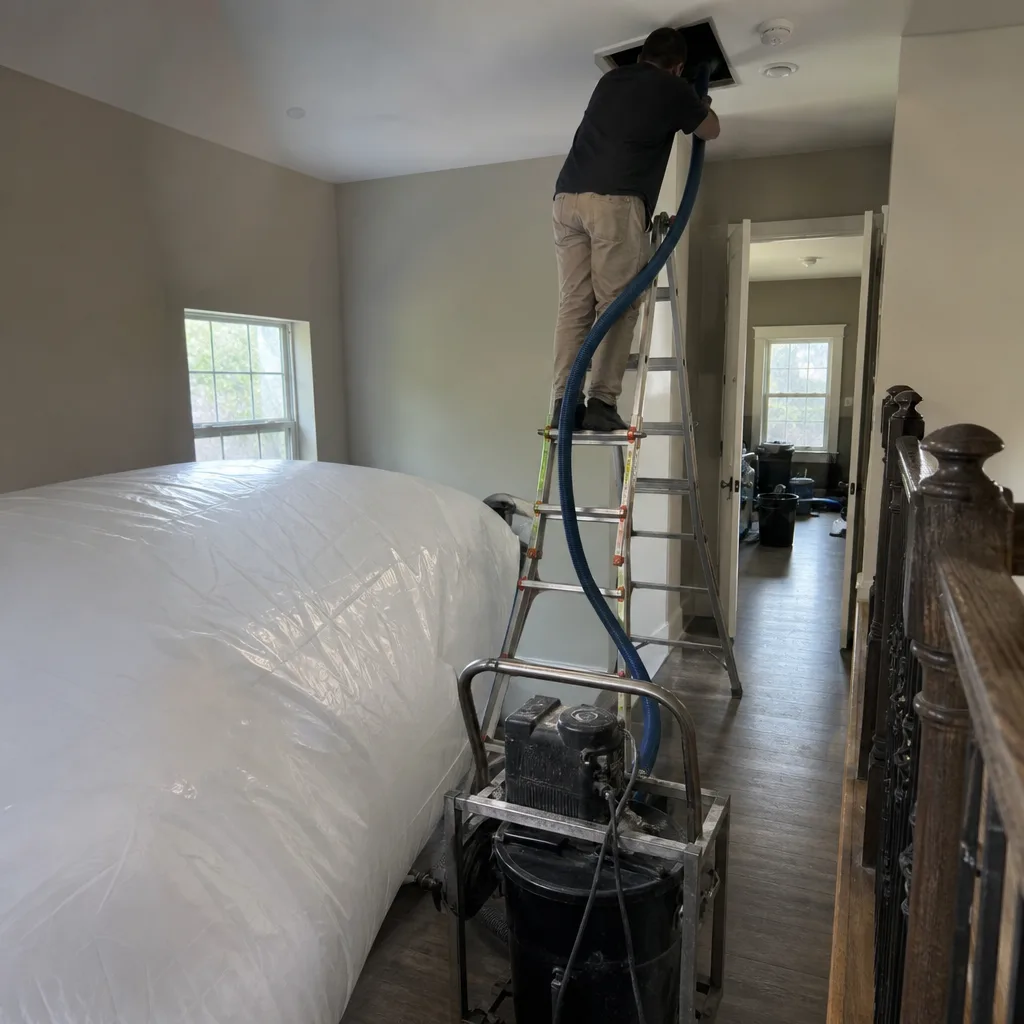
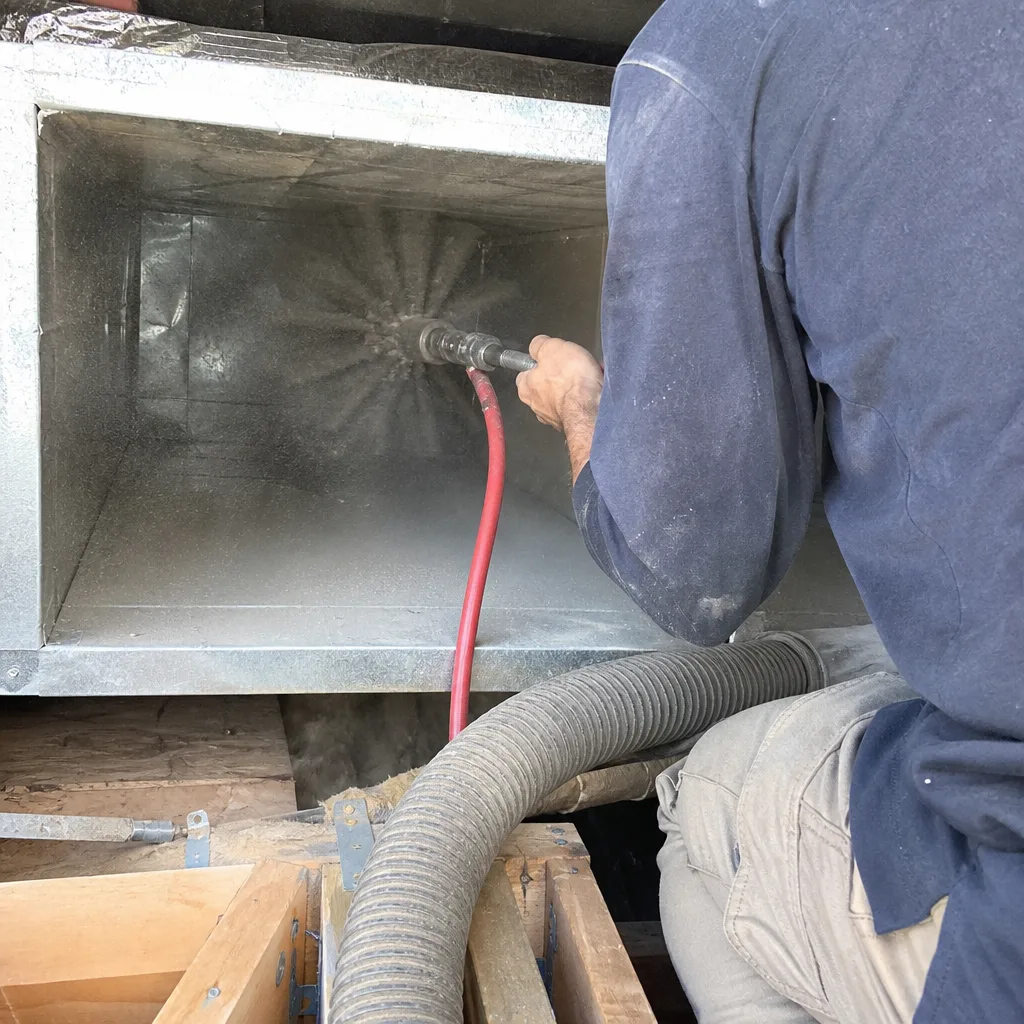
Negative-pressure source removal uses a large vacuum, typically truck-mounted or a portable unit with substantial capacity, attached to the duct system near the air handler. The vacuum pulls 3,000-5,000 CFM (cubic feet per minute) of airflow, creating negative pressure throughout the entire duct network. Agitation tools - rotary brushes, air whips, or compressed-air skipper balls - are inserted into individual duct runs to dislodge debris, which is then carried by the airflow to the vacuum collection point.
Contact vacuum methods use a smaller vacuum, often a modified shop-vac or a compact portable unit generating 200-400 CFM, with a brush or wand that physically contacts the duct interior. The technician moves the wand through each run, extracting debris at the point of contact.
The measurable difference matters in Marietta’s older homes, particularly in neighborhoods like Whitlock Heights or the historic district near the Square, where duct systems may have original galvanized steel from the 1960s or 1970s with rough interior surfaces that hold debris. Negative pressure at 3,000+ CFM can extract particulate from the entire system simultaneously; contact vacuum methods clean only what the wand touches, and the low airflow cannot overcome static pressure in longer runs.
Questions to ask any contractor:
- What CFM does your vacuum generate? (Request the number; “powerful” is not an answer.)
- Is the vacuum truck-mounted or portable? (Portable units from Nikro or Abatement Technologies can achieve sufficient CFM; shop-vacs cannot.)
- What agitation method do you use in fiberglass duct board or flex duct? (Metal ducts tolerate rotary brushes; flex duct requires softer agitation to avoid tearing.)
- Do you seal the return and supply sides separately during cleaning? (Proper isolation prevents cross-contamination.)
We use Rotobrush and Nikro equipment on Marietta jobs, with CFM ratings published in our written scope. Customers can verify those specifications against manufacturer documentation before agreeing to the price.
How to Read Before-and-After Photo Documentation
Photo documentation is the single most reliable way to distinguish real work from performed noise. But not all photo records are equal. A legitimate report should show specific, verifiable details that you can evaluate without technical training.
Here’s what the before-photography step should document:
- Debris type - Is the material loose dust, compacted sludge, fibrous insulation breakdown, or construction debris? Each indicates a different source and severity.
- Debris location - Exact position within the duct run: “12 feet from register in master bedroom supply” is useful; “dirty duct” is not.
- Visible mold - Any microbial growth should be photographed with the location noted; this triggers specific remediation protocols and should not be cleaned without documentation.
- Duct board delamination - Fiberglass duct board can separate from its backing, creating debris and reducing structural integrity; this requires repair, not just cleaning.
- Register and boot condition - The boot (the metal fitting connecting duct to register) often collects debris and is a common shortcut area.
The after-photography should show the same locations, same camera angle, same lighting conditions. We’ve seen competitors provide generic “after” images that clearly came from a different house. The photo record should be delivered to you as part of the standard job record, not held hostage for a review or additional fee.
CleanRun has photographed every duct run on every job since 2013. The customer receives the full record, typically 40-80 images for a standard home, with each image time-stamped and location-tagged. This is not a marketing gesture; it’s documentation that the work happened where the invoice said it happened.
Marietta-Specific Conditions That Affect Your Ducts
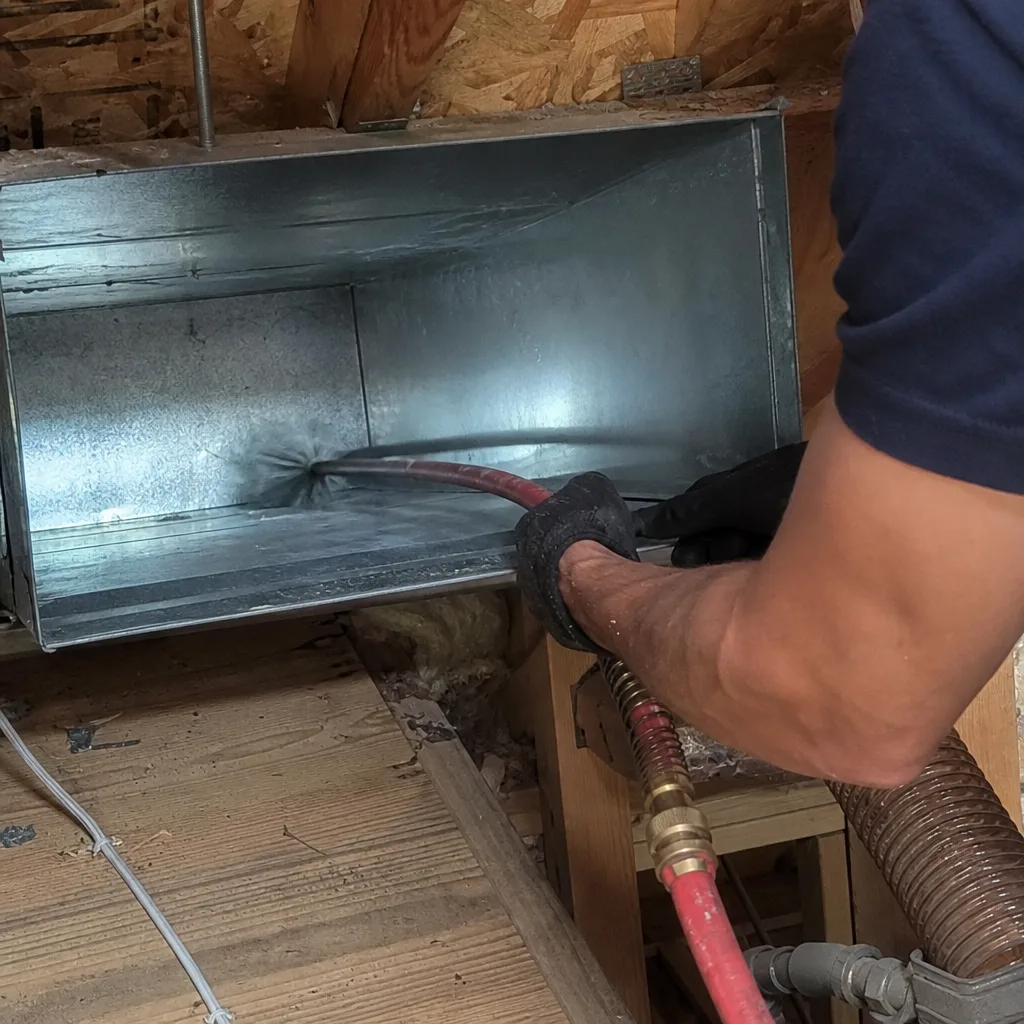
Geography and climate create distinct maintenance profiles. Marietta’s conditions produce specific duct contamination patterns that affect both cleaning frequency and method selection.
Red clay dust infiltration. The iron-rich clay soil that gives Georgia its distinctive red color becomes fine particulate during dry periods and infiltrates crawl spaces, basements, and slab perimeter gaps. We’ve photographed red clay accumulation in return runs of homes near Kennesaw Mountain and in the Paper Mill Road corridor where the soil composition is particularly dense. This dust is abrasive and can accelerate blower wheel imbalance if it reaches the air handler.
High summer humidity. From June through September, Marietta’s relative humidity routinely exceeds 70%, and duct systems in unconditioned attics or crawl spaces experience temperature differentials that create condensation on duct exteriors and, in poorly sealed systems, on interior surfaces. The result is microbial growth in fiberglass duct board, particularly in homes built between 2000 and 2010 where duct board was common. Negative-pressure cleaning alone will not address active mold; the moisture source must be identified and the affected material treated or replaced.
Pine pollen accumulation. March and April in Marietta bring yellow-green pollen coatings that overwhelm standard HVAC filters. Homes with 1-inch pleated filters, particularly in neighborhoods with mature loblolly pines like those along Roswell Road or in the Indian Hills area, often show pollen compaction in return runs that reduces system airflow by 10-15% before the homeowner notices any temperature issue.
Post-construction debris. Marietta’s infill development and renovation activity, especially in the Westside and near the Marietta Square historic district, means many “existing” homes have had recent wall removal, flooring replacement, or HVAC upgrades. Construction dust, particularly drywall compound and sawdust, can remain in duct systems for years if not extracted properly during the original job.
These conditions don’t mean every Marietta home needs annual cleaning. They mean the baseline inspection should account for local variables, and the scope of work should address the specific contamination present, not a generic “dust removal.”
What Air Duct Cleaning Costs in Marietta
Price transparency is the central tension in this industry. The $79 coupon exists because it works: it gets a technician in the door, at which point the actual invoice often reaches $600-$1,200 through per-vent add-ons, “required” sanitizing, and upsold repairs.
CleanRun operates under Haven Standard Clause 1: one flat price per system, agreed in writing before work starts, with no per-vent pricing and no post-arrival changes unless the homeowner requests additional scope.
For Marietta’s market, here are the honest ranges:
| Home Size / System Type | Price Range | Typical Duration |
|---|---|---|
| 1,200-1,800 sq ft, single system | $450-$600 | 3-4 hours |
| 1,800-2,500 sq ft, single system | $600-$750 | 4-5 hours |
| 2,500-3,500 sq ft, single system | $750-$950 | 5-6 hours |
| 3,500+ sq ft or dual-zone system | $950-$1,400 | 6-8 hours |
| Evaporator coil cleaning (add-on) | $150-$250 | +1 hour |
| Duct repair/sealing (per location) | $200-$400 | Variable |
Variables that move the number within these ranges:
- Number of vents - More vents mean more runs to clean, but the flat price should account for this upfront, not as an add-on
- Duct accessibility - Crawl space systems take longer than basement or attic systems; homes in the historic district with original plaster and tight chases require additional time
- Contamination severity - Heavy construction debris or compacted pollen may require extended agitation time
- Duct material - Fiberglass duct board requires gentler, slower agitation than metal ductwork
- System configuration - Zoned systems, multiple air handlers, or complex trunk layouts add scope
The $79-$149 coupon model cannot cover legitimate equipment, labor, and documentation costs. The technician who accepts that rate must either upsell aggressively or perform a 45-minute register wipe that leaves the main trunk untouched. We’ve been called to homes in East Cobb where the homeowner paid $99 and received a shop-vac session at each register; the camera showed the main return trunk still contained 4 inches of debris.
Call (470) 516-9337 for a written estimate with a defined scope and flat price - no visit required for standard configurations.
How to Choose a Contractor in Marietta
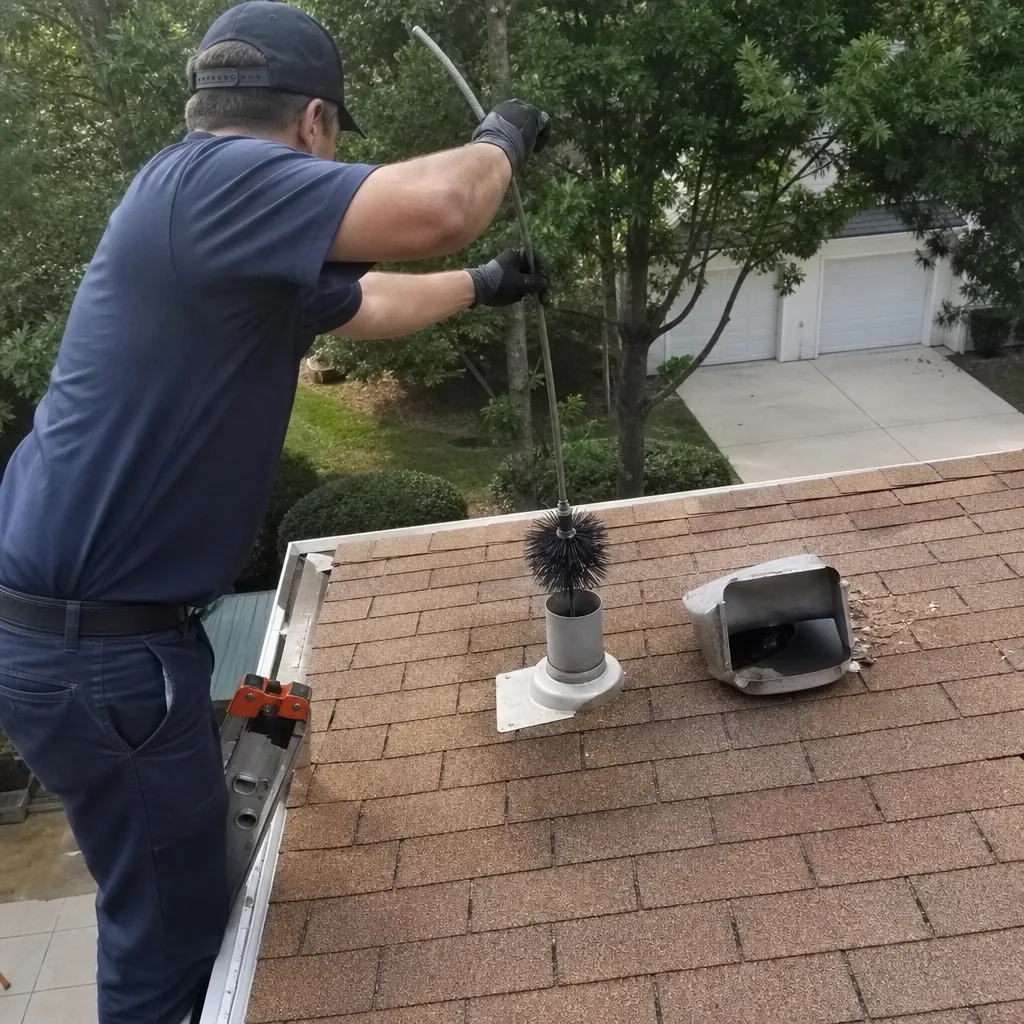
The licensing and regulatory environment in Georgia allows broad interpretation of who may perform duct cleaning. No state-level duct cleaning license exists; companies operate under general business licenses and HVAC contractor classifications. This makes due diligence the homeowner’s responsibility.
Here’s a verification checklist:
- Request a written scope and price before scheduling. Not an estimate range - a fixed price for defined work. If the company cannot provide this without a site visit for a standard home, that is information.
- Verify equipment specifications. Ask for CFM ratings and brand names. Equipment from Rotobrush, Nikro, Abatement Technologies, Honeywell, Aprilaire, or Guardsman indicates trade-grade investment; generic or unbranded equipment is harder to evaluate.
- Confirm photo documentation is included, not optional. The report should cover every duct run, delivered as a standard deliverable.
- Check that technicians are background-checked and identified by name before arrival. Haven Standard Clause 3: Verified Crews requires this; any legitimate operation should have equivalent protocols.
- Review the guarantee terms. Is it a written policy or a verbal assurance? The 365-Day Done Right Promise is backed in writing on every CleanRun job; we recommend requiring equivalent documentation from any contractor.
- Request a Free Second Opinion on any competitor’s written estimate. CleanRun provides this at no cost; the comparison often reveals scope gaps or inflated per-vent pricing.
In Marietta specifically, contractors familiar with the area’s housing stock - from 1920s bungalows near the Square to 1990s subdivisions in West Cobb to new construction in the 30064 corridor - will ask better questions during the intake call. A technician who doesn’t know whether your home has duct board or metal ductwork, or who doesn’t ask about crawl space vs. basement configuration, is not preparing adequately for the job.
Air Duct Cleaning in Marietta from CleanRun includes all verification steps as standard practice, not upgrades.
What Happens During the Appointment
Understanding the sequence helps you evaluate whether the work you received matches what you paid for. A legitimate appointment follows a predictable structure.
Step 1: Arrival and system inspection (20-30 minutes)
The technician should inspect the air handler, identify all supply and return registers, and note any access limitations. This is when duct board delamination, visible mold, or disconnected runs are identified. The findings should be communicated before work starts, with photographic documentation beginning immediately.
Step 2: Register and boot cleaning (30-45 minutes)
All registers are removed and cleaned. The boot, the metal fitting behind the register, is vacuumed and brushed. This is a common shortcut area; verify it is addressed in the photo record.
Step 3: Main trunk and branch line cleaning (90-150 minutes)
The vacuum is connected, typically at the air handler or a large trunk access point. Each supply and return run is agitated with appropriate tools - rotary brushes for metal, softer methods for flex duct or duct board - while negative pressure extracts dislodged debris. The technician should move methodically through the system, with photos at multiple points in each run.
Step 4: Air handler and coil access (30-45 minutes)
The blower compartment is opened, the blower wheel inspected and cleaned if included in scope, and the evaporator coil examined. Coil cleaning, if requested, uses foaming agents and low-pressure rinse; high-pressure wash can damage fins.
Step 5: System reassembly and final documentation (20-30 minutes)
All access panels are sealed, registers reinstalled, and the system powered on to verify operation. The photo record is finalized and prepared for delivery. The written invoice should match the pre-agreed scope and price.
A job completed in under 2 hours for a standard home likely skipped steps. We’ve corrected competitor work in Kennesaw and Smyrna where the homeowner’s “2-hour special” left the main trunk entirely untouched.
HVAC Cleaning in Marietta addresses the full system including coil and blower, distinct from duct-only service.
How Often to Schedule Cleaning
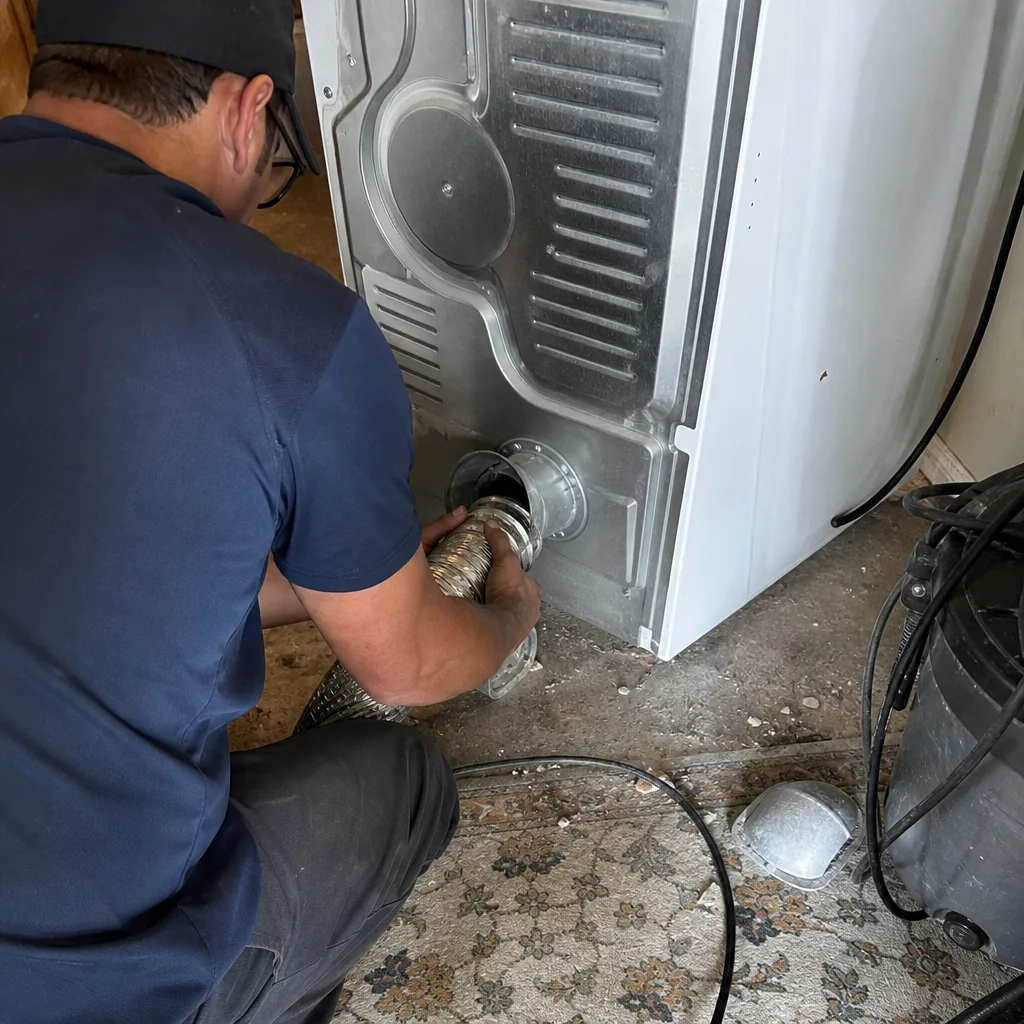
Industry guidance of “every 3-5 years” is a starting point, not a rule. The correct interval depends on the conditions your specific system faces.
Clean more frequently if:
- You’ve completed renovation work, particularly drywall sanding or flooring removal
- You have pets that shed significantly, or multiple pets
- Someone in the home has asthma, allergies, or immune compromise
- Your home is in a high-pollen zone with mature pine canopy, common in the Indian Hills or Mountain View areas
- You’ve noticed reduced airflow at distant registers or increased dust accumulation
Extend the interval if:
- Your home has a high-MERV filter changed regularly
- The duct system is fully sealed with no crawl space or attic exposure
- You have an ERV or whole-house dehumidifier that reduces infiltration
- No environmental triggers affect occupants
For most Marietta homes with standard 1-inch filters and no special conditions, inspection every 3 years with cleaning as indicated by the camera findings is appropriate. Homes in the red-clay zones or with crawl space ductwork may benefit from 2-year intervals.
Dryer Vent Cleaning in Marietta should occur annually, independent of duct cleaning schedule, due to fire risk.
Common Mistakes to Avoid
- Accepting per-vent pricing. This structure incentivizes the contractor to find more vents and creates unpredictable final invoices. Flat pricing per system is the only structure that aligns the contractor’s incentive with thorough work.
- Ignoring the return side. Return runs are typically dirtier than supply runs because they are unfiltered until the main filter. A scope that addresses only supply ducts is incomplete by definition.
- Scheduling during peak pollen season without preparation. Cleaning in late March without pre-filtering can reintroduce pollen immediately. We recommend scheduling in May or June, after the pine pollen peak, or in October-November.
- Assuming new construction means clean ducts. New homes in the 30067 and 30064 corridors often have significant construction debris in ducts, including drywall compound and insulation scraps, from the building process.
- Accepting verbal scope descriptions. Every element of the job should be in writing before work starts: zones covered, equipment specifications, price, and guarantee terms.
- Treating sanitizing as a standard requirement. EPA-registered sanitizers have specific application protocols and are appropriate only when microbial growth is documented. Routine sanitizing of clean metal ducts is unnecessary and adds cost without benefit.
When to Call a Professional
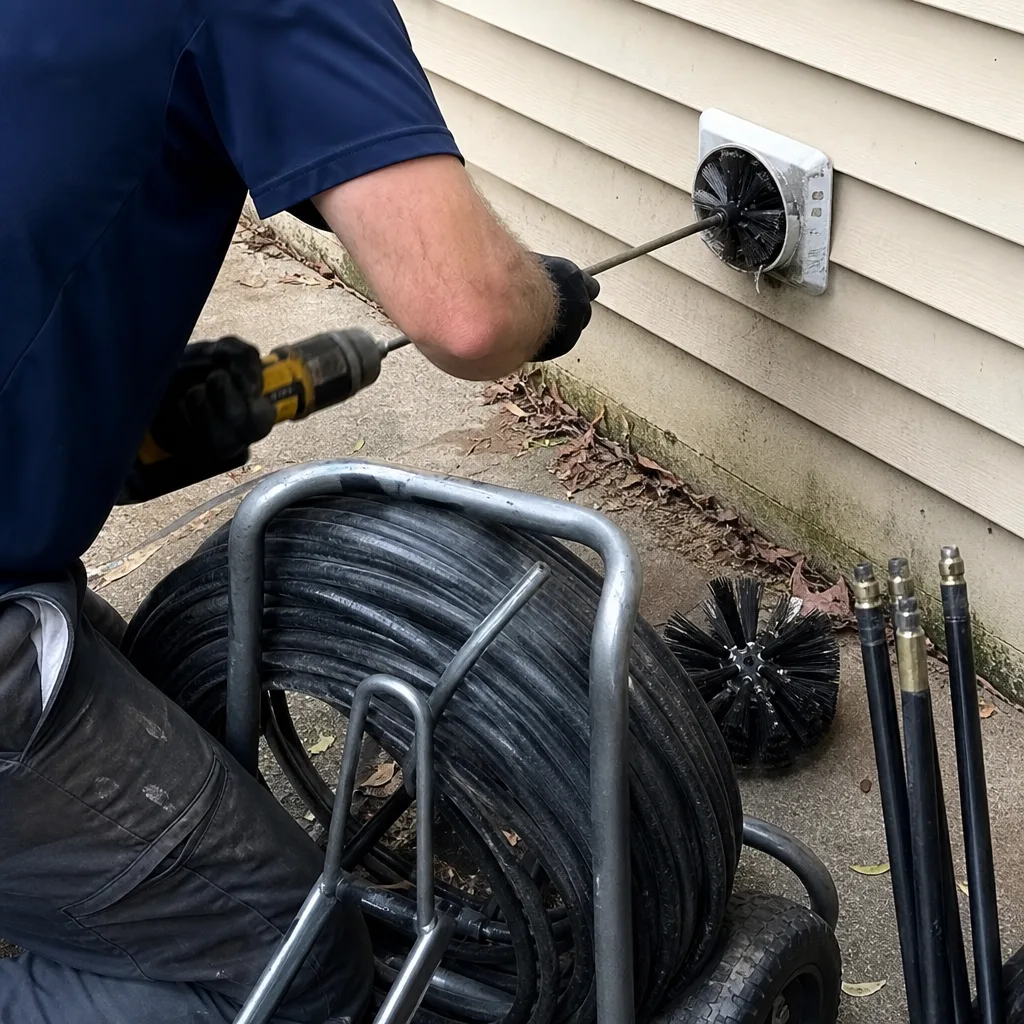
Call for inspection, not necessarily cleaning, when you notice visible dust emission from registers, persistent musty odors when the system cycles, uneven heating or cooling between rooms, or debris visible at register openings. These symptoms indicate the system needs evaluation; the camera findings determine whether cleaning, repair, or other remediation is appropriate.
Do not attempt to access or clean the air handler, blower assembly, or interior ductwork yourself. These components involve electrical connections, sharp metal edges, and in some configurations, gas line proximity. The documentation and extraction equipment required for legitimate cleaning is not available for homeowner rental; see our DIY vs Professional Air Duct Cleaning: The Marietta Homeowner’s Decision Guide for a full comparison.
CleanRun Air Duct Cleaning Marietta offers free estimates in Marietta - call (470) 516-9337. Every estimate includes a written scope and flat price before any commitment, with no visit required for most standard configurations.
Frequently Asked Questions
A legitimate full-system cleaning for a standard single-family home in Marietta ranges from $450 to $850, with larger homes or dual-zone systems reaching $950-$1,400. Variables include square footage, duct material, accessibility, and contamination severity. Call (470) 516-9337 for a written estimate with a flat price - no per-vent add-ons, no surprises.
The $79-$149 offers typically cover only register wiping with a portable vacuum, not full-system cleaning. The business model depends on upselling once the technician is in your home. A legitimate quote accounts for labor, equipment, documentation, and guarantee costs upfront. Compare scopes, not headline prices: does the quote explicitly name supply runs, return runs, main trunk, air handler, and coil?
Require photographic documentation of every duct run, before and after, with location tags and timestamps. The images should show specific debris locations in the before shots and the same locations cleared in the after shots. Generic “clean duct” photos are not verification. CleanRun delivers the full photo record as a standard job deliverable, included in every service since 2013.
Most Marietta homes benefit from inspection every 3 years, with cleaning intervals of 3-5 years for standard conditions. Homes with pets, recent construction, crawl space ductwork, or occupants with respiratory sensitivity may need 2-year intervals. The camera findings at inspection determine the actual need; calendar-based cleaning without evaluation may be unnecessary.
Moderate debris reduction can restore airflow that was restricted by buildup, particularly in return runs and at the evaporator coil. A 2003 EPA study found no evidence that cleaning alone prevents health problems, but it did confirm that heavy debris accumulation reduces system airflow and can increase operating costs. The efficiency gain is proportional to the contamination removed; light dust coating produces minimal improvement.
Duct cleaning addresses the distribution network: supply runs, return runs, and trunk lines. HVAC Cleaning in Marietta adds the mechanical components: blower assembly, evaporator coil, and often the condensate drain. For systems with significant coil contamination or blower wheel debris, HVAC cleaning provides more complete restoration of design airflow.
The Bottom Line
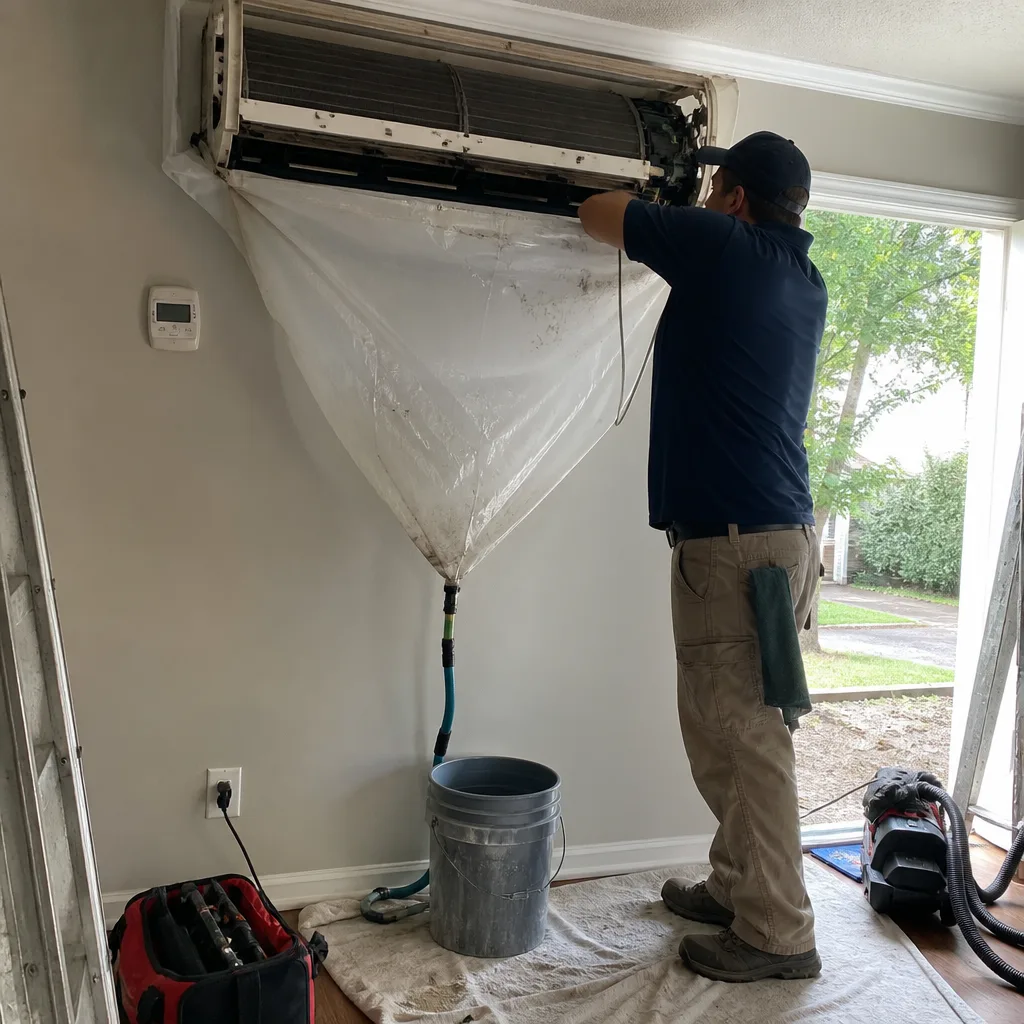
Air duct cleaning in Marietta is a service with legitimate value and widespread misrepresentation. The difference between real work and performed noise comes down to equipment specifications you can verify, a scope of work that names every zone, photographic documentation you can evaluate, and a price that is fixed before the truck arrives. Red clay dust, summer humidity, and pine pollen create local conditions that matter, but they don’t change the fundamentals: negative-pressure source removal at measurable CFM, complete system coverage, and accountability after the job is done. Ask specific questions, require written answers, and treat any reluctance to document as information.
CleanRun Air Duct Cleaning Marietta home | Call (470) 516-9337 for a written estimate.
Written by Tomas Reyes, Owner at CleanRun Air Duct Cleaning Marietta, serving Marietta since 2013.