
Last updated September 23, 2026
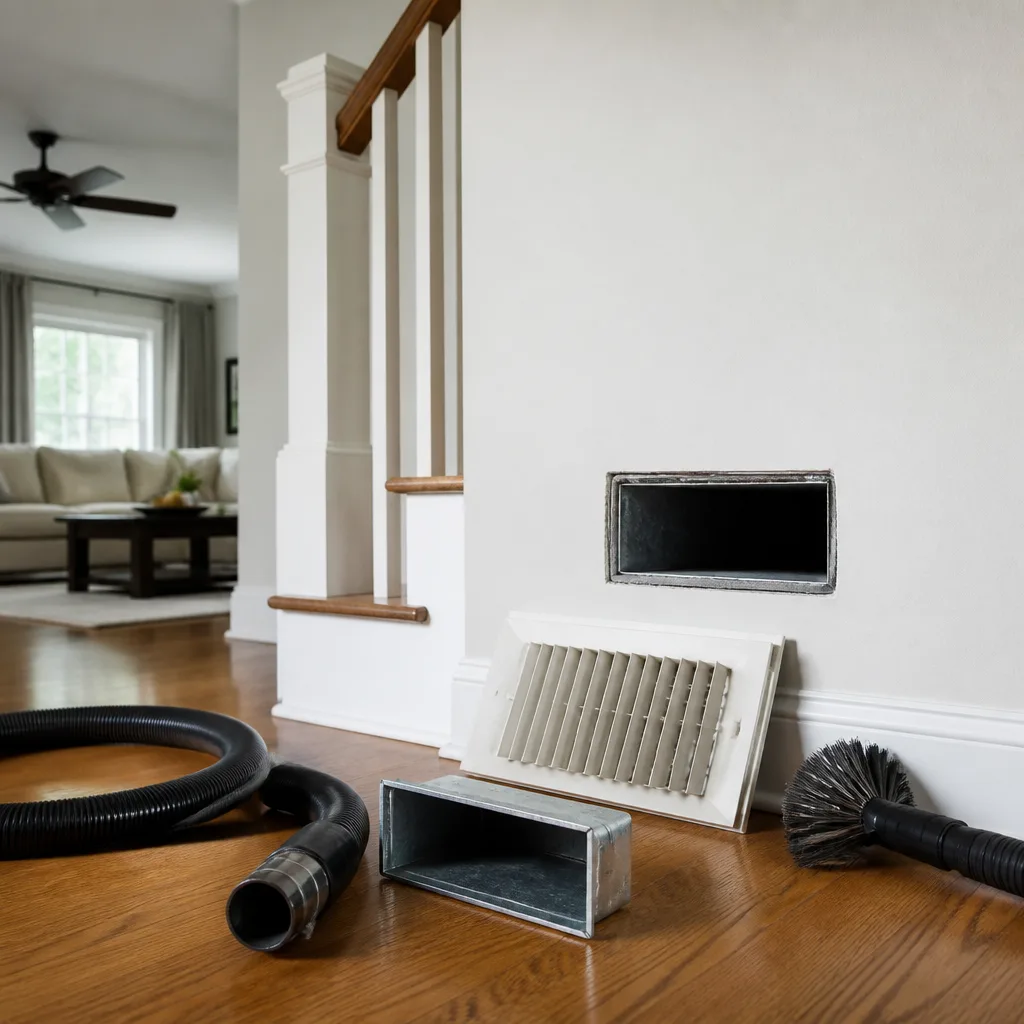
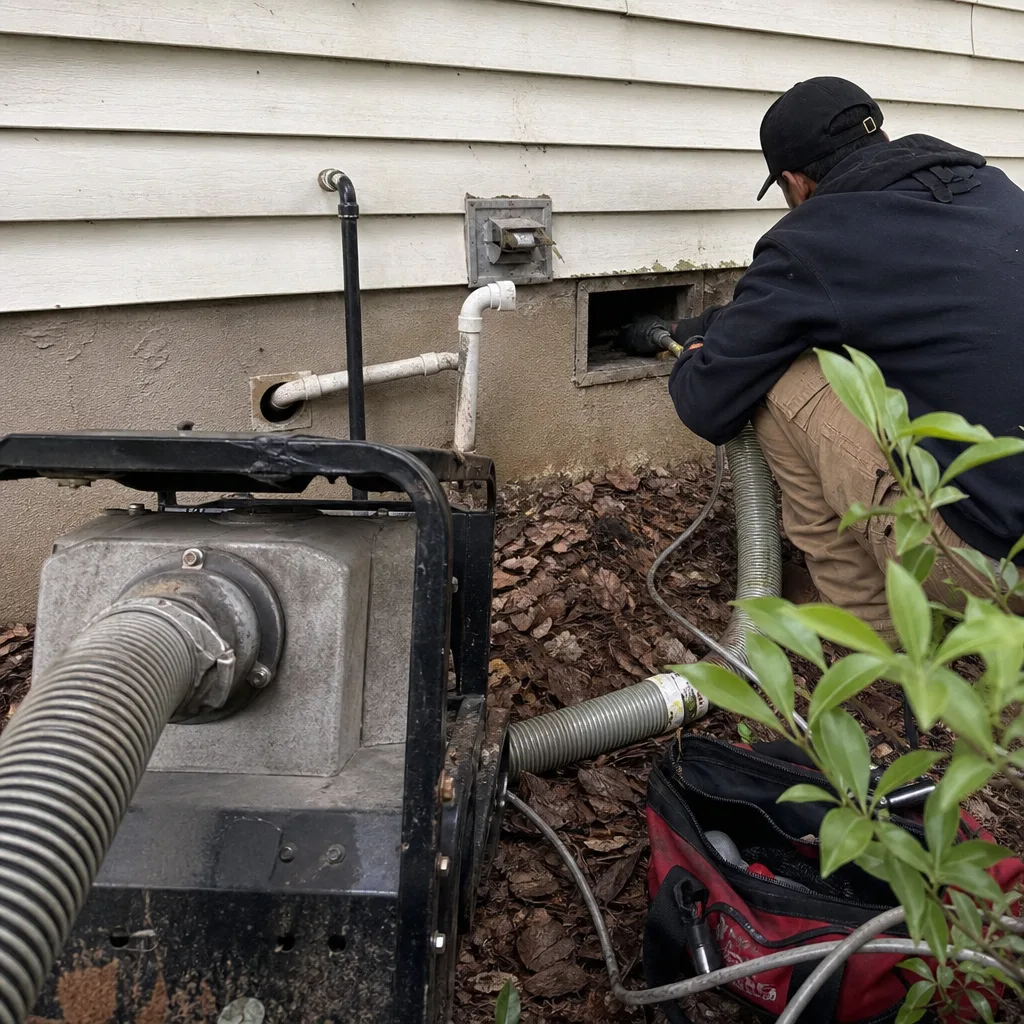
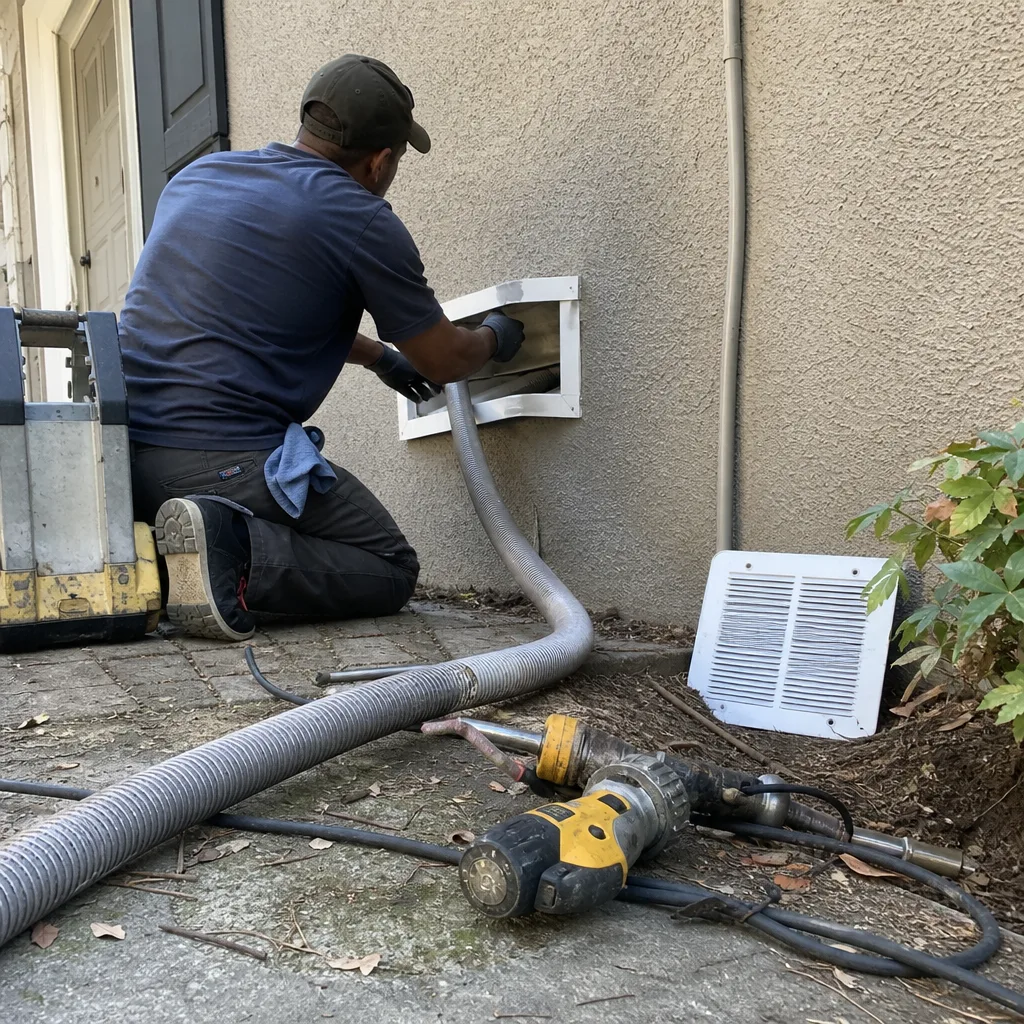
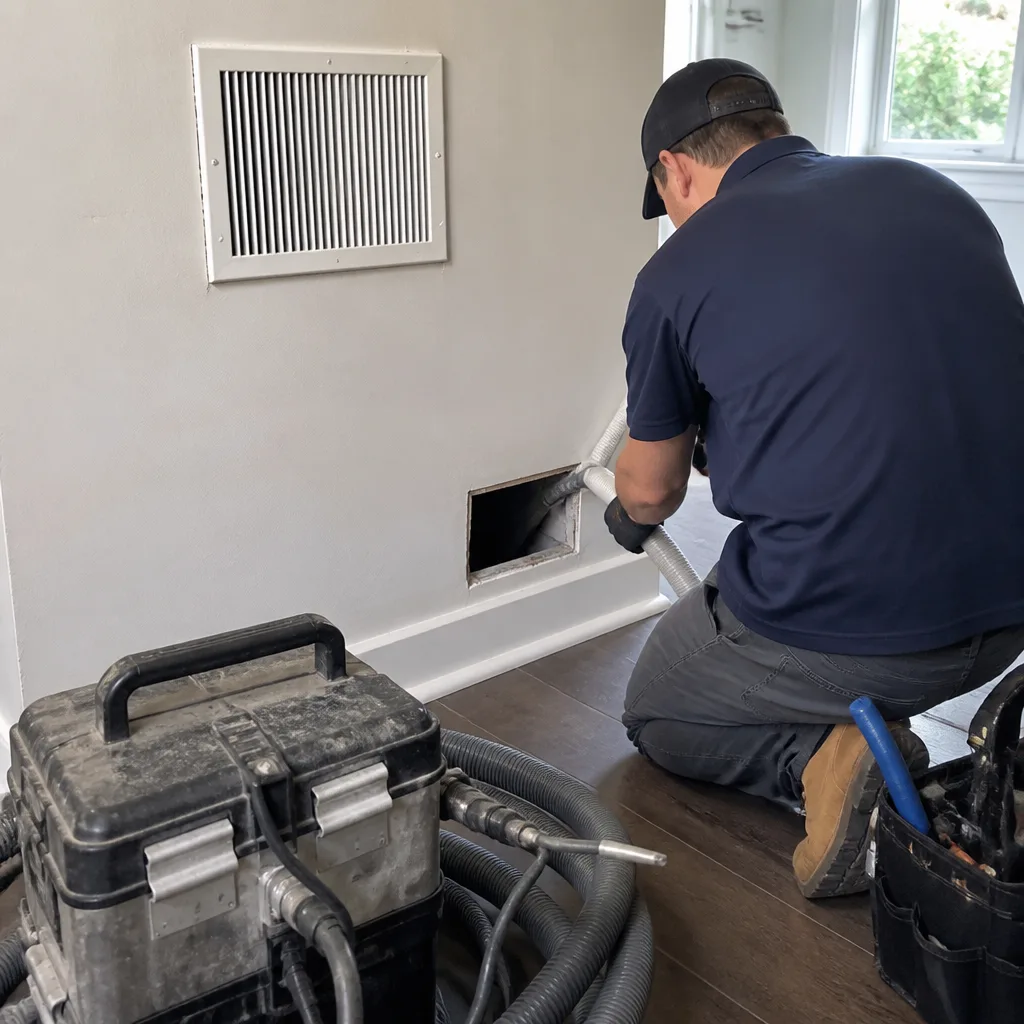
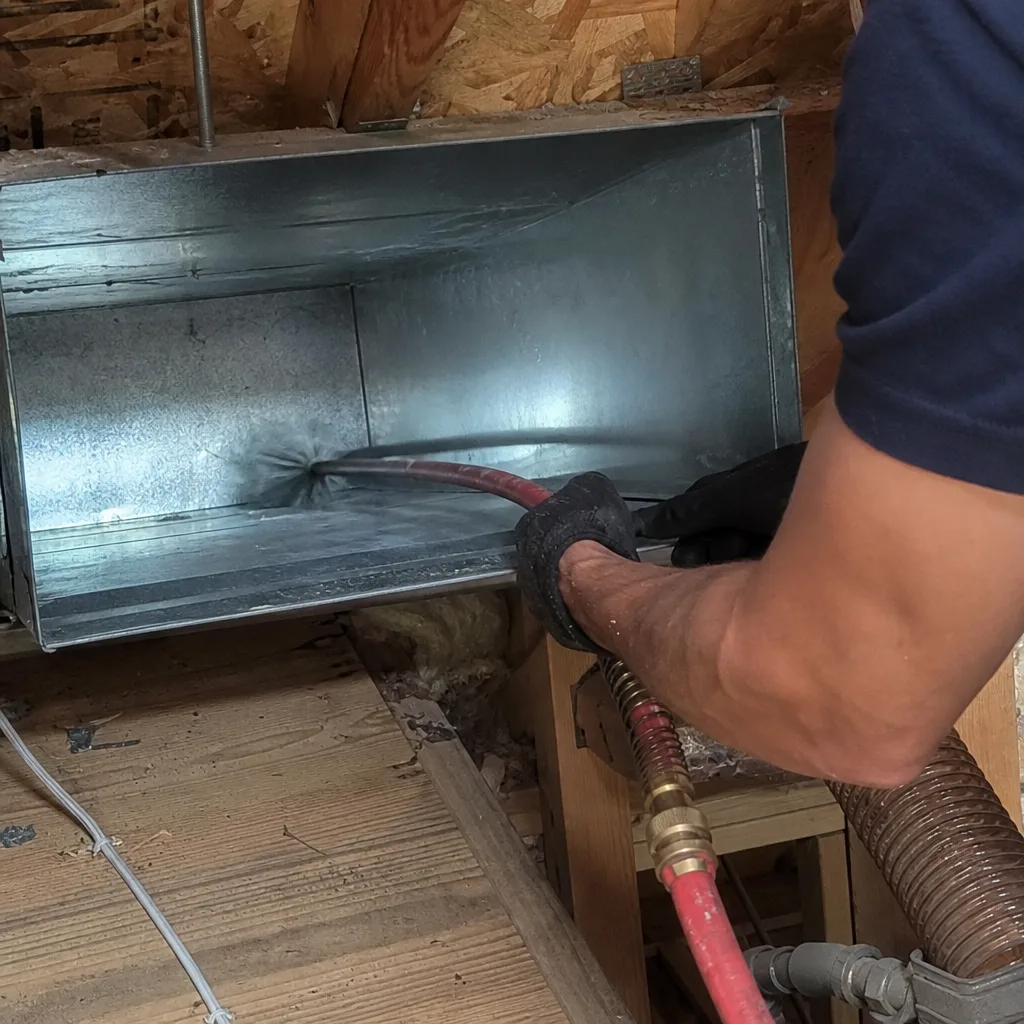
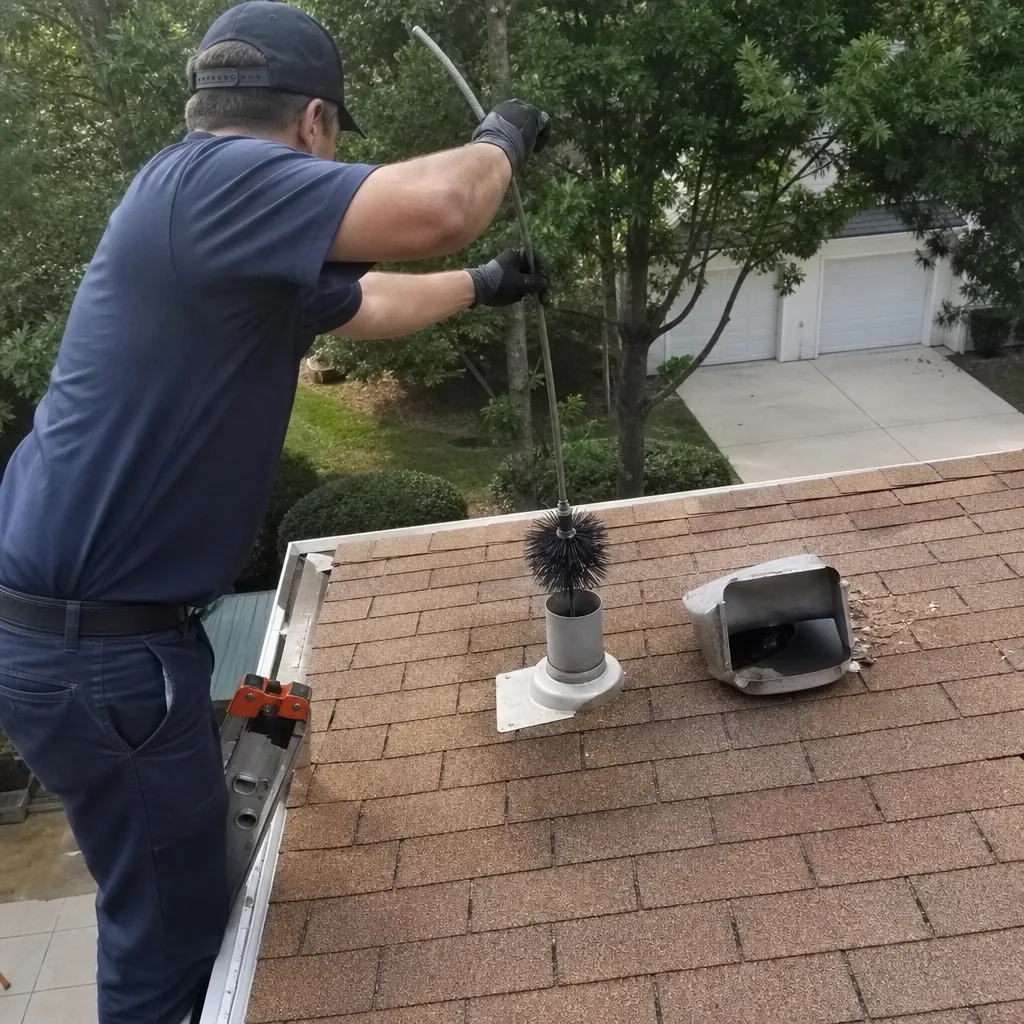
Whole-system duct and dryer vent check with before-and-after photos - you see exactly what came out of your vents
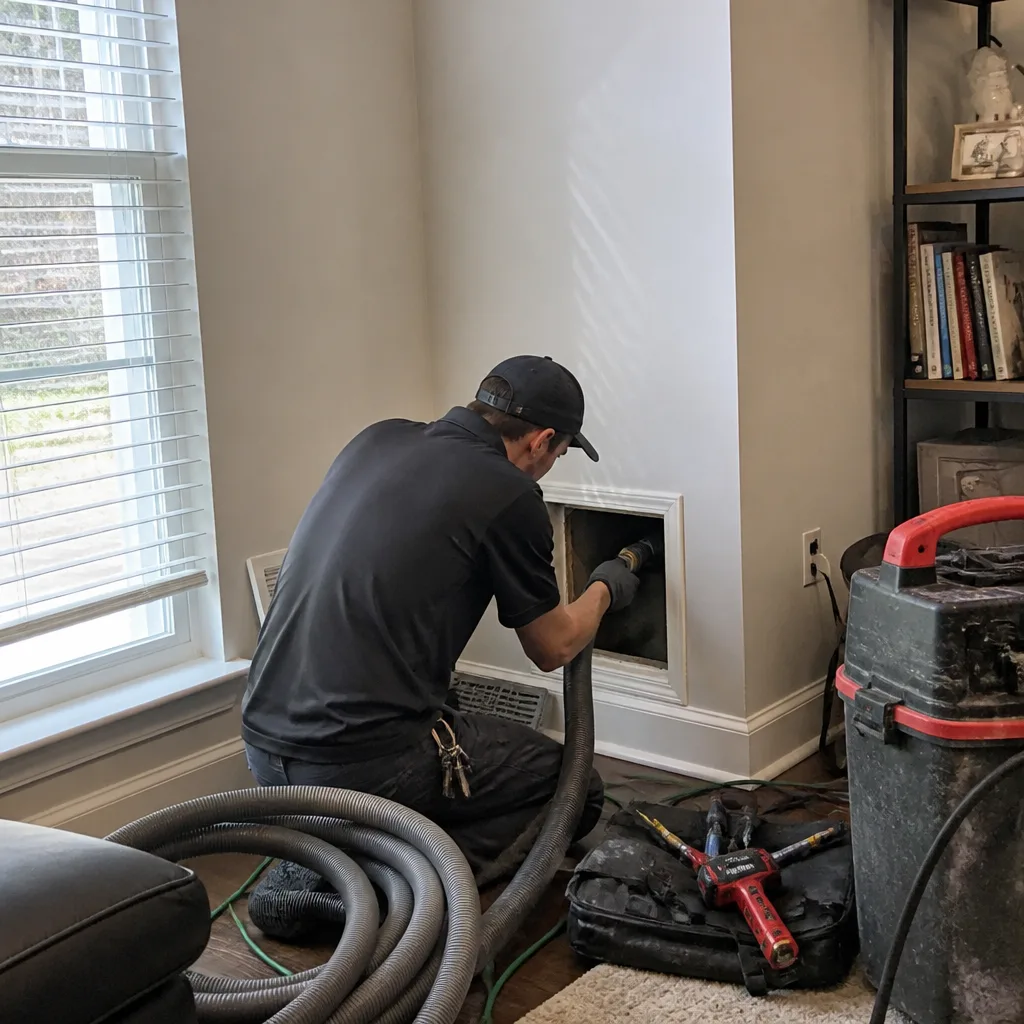
That "$99 whole-house special" is a bait ad - the real number appears once they are in your hallway, or the "clean" is a shop-vac at the register. We photograph the inside of your ducts before and after instead.
 Before
 After
After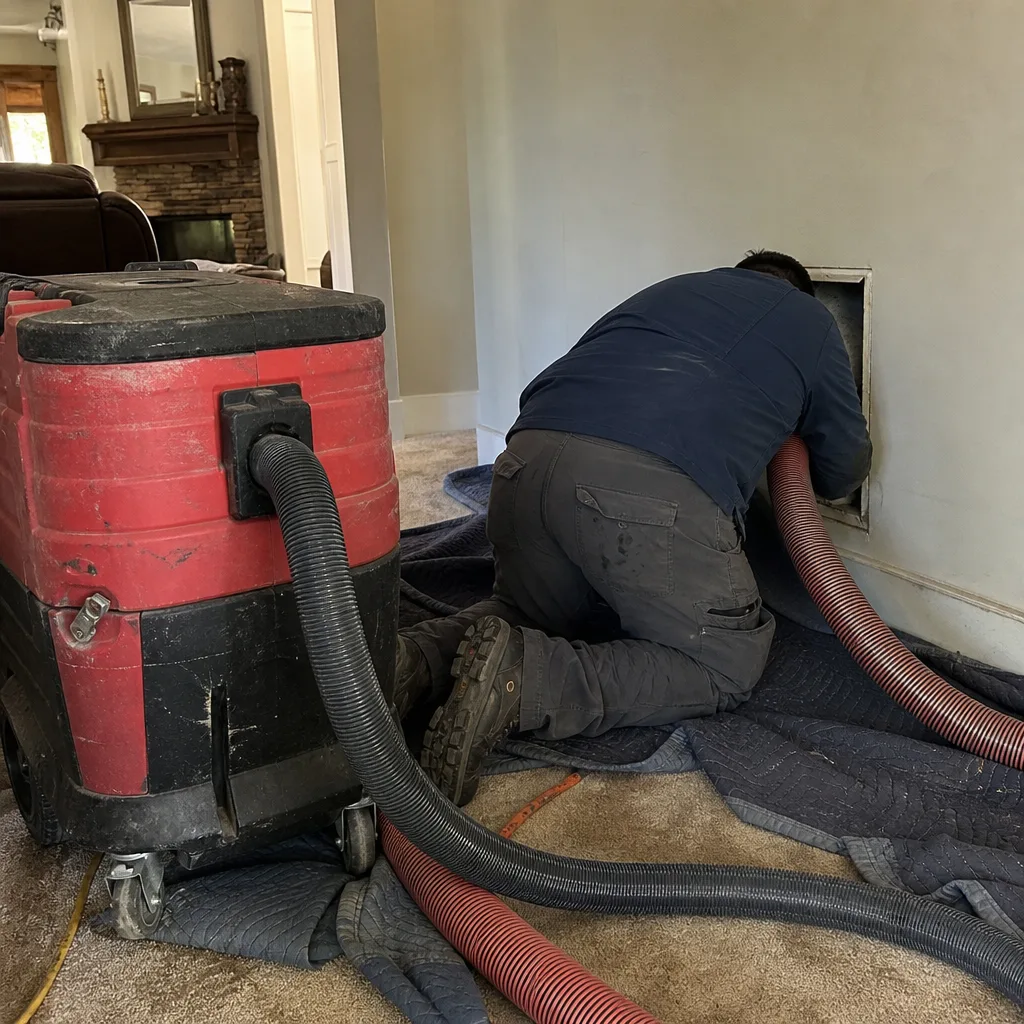 Before
 After
After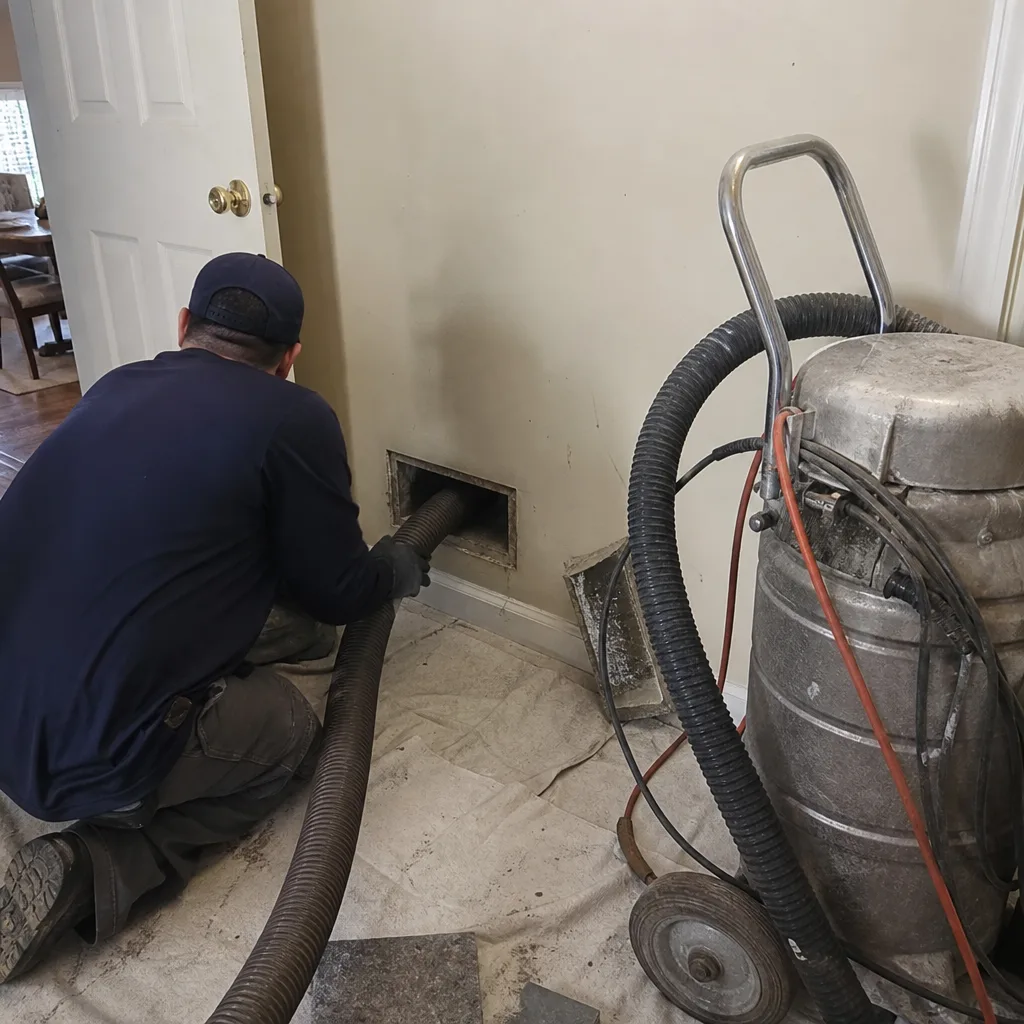 Before
 After
AfterAir Duct Cleaning Maintenance Checklist for Marietta Homeowners
Changing your filter every 90 days while your flex duct has a 4-inch sag collecting standing debris is the equivalent of brushing your teeth while ignoring a cavity - the habit is right, the scope is wrong. In Marietta, we’ve documented systems where the filter was pristine and the trunk line contained a 3-inch debris build-up at the first elbow, visible only on camera. This guide - and our Air Duct Cleaning Warning Signs: A Marietta Homeowner’s Reference Guide - reframes duct maintenance as damage detection, not calendar-driven cleaning. You’ll learn what to inspect yourself, what requires professional equipment, and how to build a paper trail that prevents upsells and proves accountability.
Quick Answer
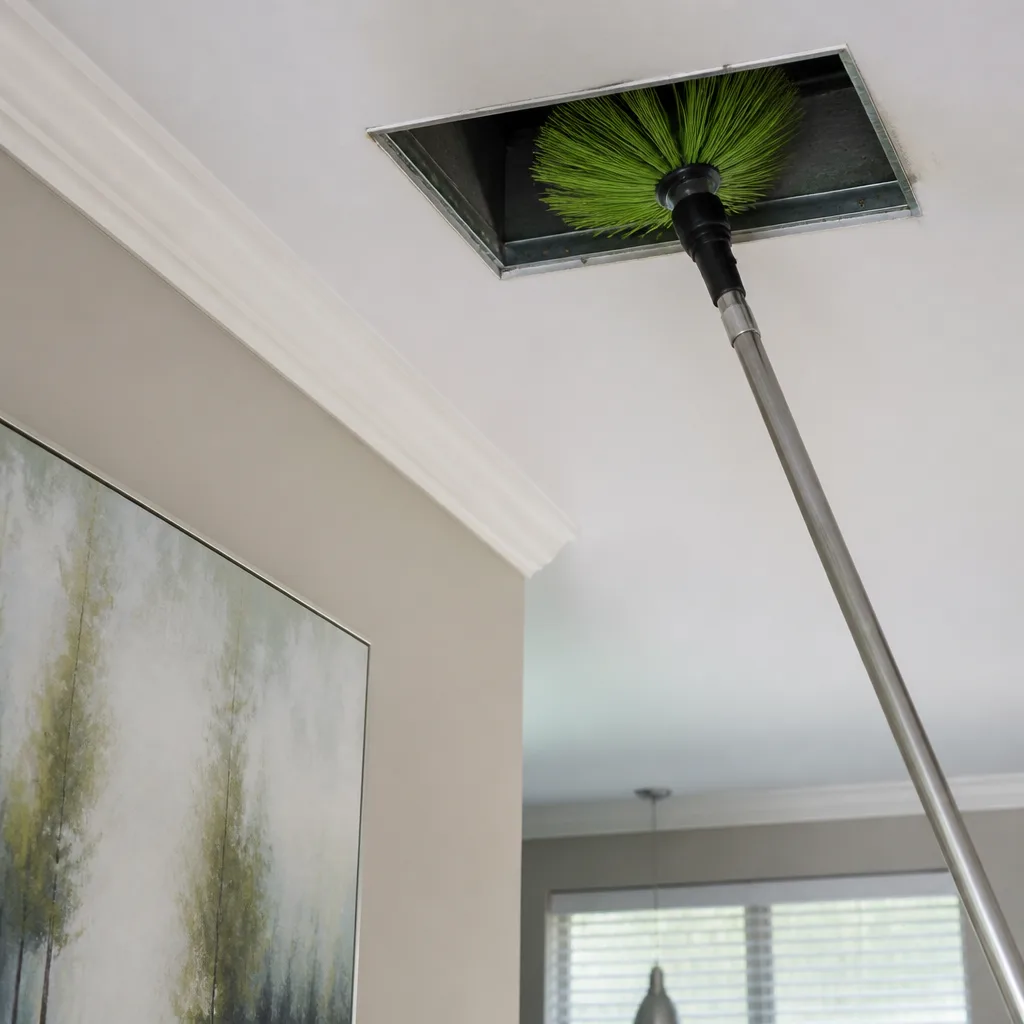
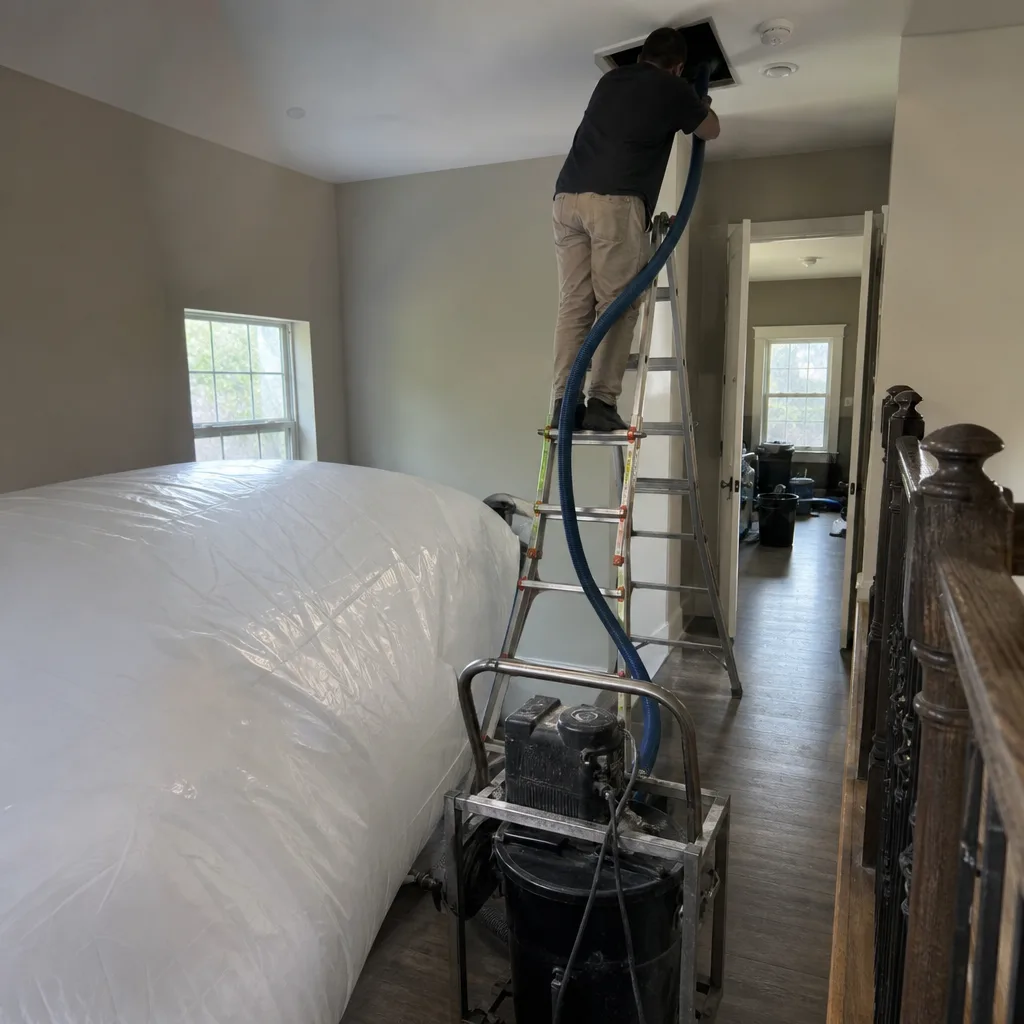
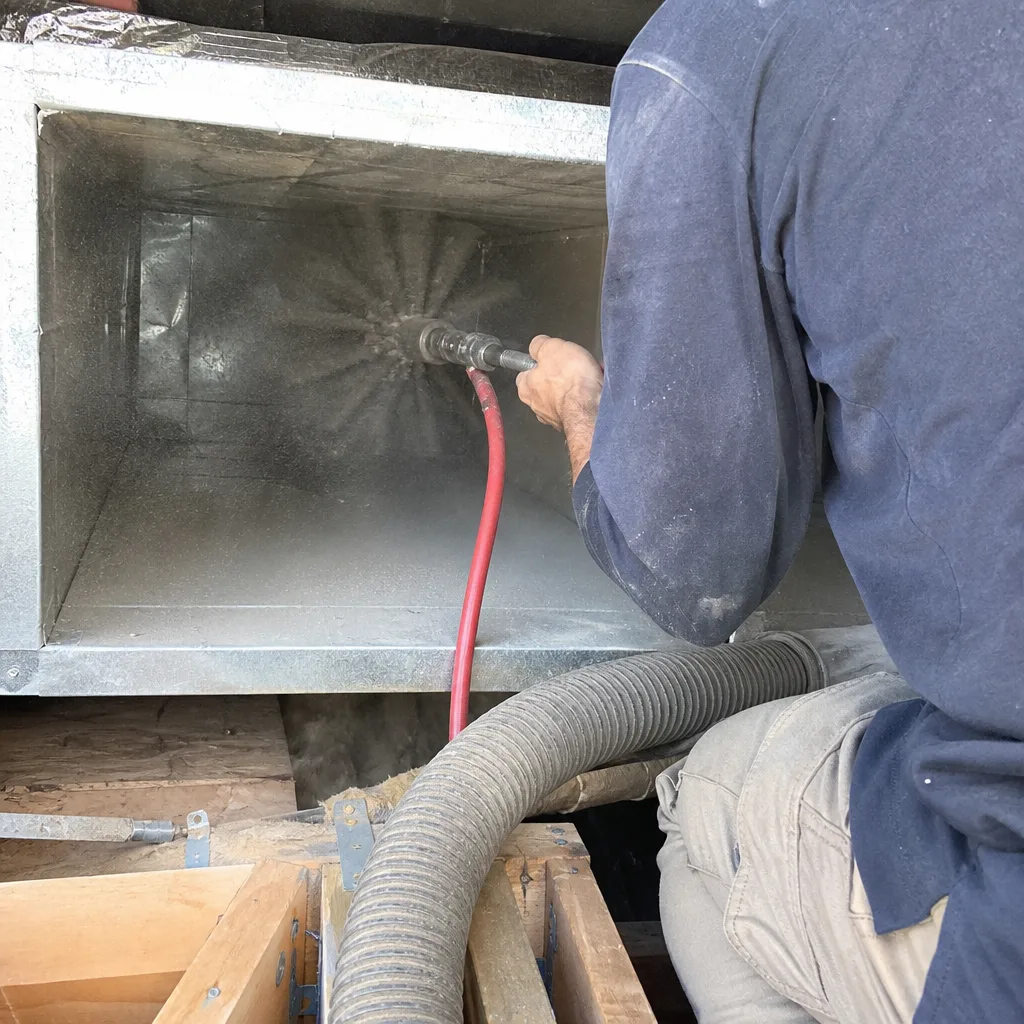
A proper air duct maintenance checklist for Marietta homeowners includes monthly register inspections, quarterly filter changes with MERV logging, seasonal attic flex-duct checks after roof work, and a biennial camera inspection of trunk lines. The critical distinction: surface cleaning of grilles and filter swaps are homeowner tasks; internal debris assessment requires our Air Duct Cleaning services with negative-pressure extraction equipment and a documented photo record. In Marietta’s climate, post-renovation and post-roof-work inspections matter more than arbitrary calendar cleanings.
Table of Contents
- Why Marietta’s Climate and Housing Stock Change the Checklist
- What Homeowners Can Inspect Themselves
- Reading Your Registers: Beyond “Is It Dusty?”
- The Filter Log: Your Most Powerful Documentation Tool
- Attic Flex Duct: The Hidden Failure Point
- When Maintenance Becomes a Billable Cleaning Job
- The One-Page Logging Format
- Marietta-Specific Timing Triggers
BeforeAfterWhy Marietta’s Climate and Housing Stock Change the Checklist
Marietta sits at the intersection of two forces that accelerate duct degradation: hot, humid summers that stress attic-installed systems, and a housing boom from 2015 to 2025 that produced thousands of homes with flex-duct runs in vented attics. The combination creates maintenance priorities that differ from drier climates or older, basement-duct housing stock.
We’ve photographed the evidence across East Cobb, West Cobb, and the 30062, 30064, and 30067 zip codes. The pattern is consistent: summer humidity drives condensation at duct seams, which weakens tape bonds; winter temperature swings cause flex duct to sag between supports; and the fine red clay dust that defines north Georgia geology finds its way into attic spaces and, eventually, supply registers.
The standard advice - “clean your ducts every 3-5 years” - ignores these local variables. A home in the Whitlock Avenue corridor with a 2019 build date, vented attic, and recent roof replacement has fundamentally different risk factors than a 1980s ranch on Powder Springs Road with ductwork in a conditioned crawl. The checklist below accounts for this variation by focusing on observable conditions rather than calendar intervals.
Key Marietta factors to weigh:
- Vented attics: Temperature deltas of 40-60 degrees between attic air and conditioned air stress duct seams and insulation wraps.
- Humidity cycles: July and August average relative humidity above 75%, promoting biological growth in standing debris.
- Post-2015 construction density: Tighter envelopes mean less natural ventilation; contaminants recirculate rather than escape.
- Red clay particulate: Finer than generic “dust,” it penetrates standard filters and accumulates at low-velocity points in duct runs.
Our crews use Rotobrush and Nikro equipment for negative-pressure extraction in these conditions, with Abatement Technologies HEPA containment on jobs where visual inspection reveals moisture staining or biological activity. The equipment choice matters because Marietta’s humidity profile requires extraction power that shop-vac conversions cannot provide.
What Homeowners Can Inspect Themselves
The homeowner’s domain is everything visible without tools or panel removal. This is not a diminished role. We’ve arrived at jobs where the homeowner’s six months of register observations told us more than a single camera pass could have. The key is knowing what to look for and recording it consistently.
Monthly: Register Grille Inspection
- Remove the grille (most pop off with gentle pressure or a flathead screwdriver).
- Photograph the interior surface with your phone, flash on, same angle each time.
- Note the color and texture of accumulation: gray and fibrous (typical dust), black and sooty (combustion byproduct or biological), reddish-brown (clay particulate), or white and powdery (drywall or insulation degradation).
- Check the duct boot - the metal transition between grille and flex duct - for gaps, tape failure, or rust.
- Replace the grille and log the date, room, and observations.
Quarterly: Filter Condition and Fit
Remove the filter and hold it to a light source. A filter that appears dirty on the intake face but clean on the output face is doing its job. A filter that shows debris on both sides, or that has bowed inward from suction pressure, indicates either a MERV rating too high for the system’s fan capacity or a duct obstruction downstream causing back-pressure. Both conditions warrant professional inspection.
Check the filter frame for gaps. A 1-inch gap around a poorly fitted filter bypasses filtration entirely. We’ve found filters installed backwards (pleats facing the wrong direction) in Marietta homes from Kennesaw Mountain to the Square - a simple error that nullifies the replacement schedule.
Seasonally: Visible Flex Duct in Attic or Crawl
If your ductwork is accessible, inspect without disturbing it. Look for:
- Sags between supports deeper than 2 inches (debris collects at low points).
- Insulation wrap that has slid, exposing the inner liner.
- Tape or mastic seams that have separated.
- Discoloration or staining on surrounding framing (indicates past moisture events).
Do not attempt to reattach or reroute flex duct. The inner liner is easily torn, and a compromised duct pressurizes your attic instead of your bedroom. Note what you see and schedule a professional evaluation.
After Any Event: Roof, Attic, or Renovation Work
Any penetration of the building envelope - roof replacement, solar installation, attic insulation upgrade, or interior renovation - creates opportunity for debris introduction or duct disturbance. Inspect registers within 48 hours of project completion. Unusual odors or visible particulate are immediate flags.
Reading Your Registers: Beyond “Is It Dusty?”
Dust on a register grille is normal. The pattern of that dust is diagnostic. In twelve years and 52,000 homes, we’ve learned that homeowners who read their registers accurately avoid unnecessary cleanings and catch disconnected runs before energy bills spike.
Asymmetric Dust Patterns
A register that collects dust heavily on one side and remains clean on the other suggests a disconnected duct run or a collapsed flex section. The airflow is turbulent rather than laminar, dropping debris unevenly. We’ve found this pattern in Marietta’s newer subdivisions where construction debris stressed duct connections before occupancy.
Compare left and right sides of the same register. Compare registers in the same room. A single register behaving differently from its neighbors is a signal, not an outlier.
Rust Staining on Grille or Surrounding Ceiling
Orange-brown discoloration indicates moisture intrusion, either from condensation at a cold duct boot or from roof/attic leaks reaching the duct path. Rust staining precedes ceiling damage. It also creates conditions for biological growth inside the duct that no filter change will address.
In Marietta’s summer humidity, we’ve photographed rust staining at duct boots in homes as new as 2021. The cause is typically inadequate insulation wrap at the boot-to-flex transition, a construction detail that thermal imaging reveals before visible damage appears.
Black Rings Around Grille Perimeter
The dark line where grille meets ceiling is often misidentified as mold. More commonly, it’s thermophoretic deposition: fine particles driven by temperature differential to collect at the coolest surface edge. The ring indicates air is moving past the grille perimeter, not through it, which means either a poorly sealed boot or excessive duct pressure.
The distinction matters. Thermophoretic rings clean off. But they signal an energy efficiency problem that duct sealing resolves. We’ve used this observation to identify homes in the Walton High district where duct leakage exceeded 25% of conditioned airflow - leakage the homeowner discovered from a ring, not a bill.
Odor Mapping
Musty, chemical, or burnt odors at specific registers indicate localized contamination, not system-wide cleaning need. Log which room, which register, and whether the odor appears at system startup, during continuous operation, or at shutdown. This pattern tells a technician where to place the camera first.
The Filter Log: Your Most Powerful Documentation Tool
The filter is the only component most homeowners replace on schedule. That regularity makes it the ideal anchor for a documentation system. A filter log transforms “I think I changed it in March” into a dated record that reveals system performance trends.
We’ve reviewed hundreds of these logs on Marietta jobs. The ones that prevent disputes and unnecessary work contain five fields:
- Date changed: Exact date, not “spring 2024.”
- Filter brand and model: Include MERV rating. A jump from MERV 8 to MERV 13 without fan capacity verification can damage the system.
- Visual condition at removal: Photograph the used filter. Heavy loading on one side indicates duct imbalance. Uniform loading confirms even distribution.
- Pressure drop observation: If your thermostat displays static pressure, log it. Rising pressure across filter changes indicates duct obstruction downstream.
- Notable events: Renovation, severe weather, visible debris at registers, odors.
The log serves two purposes. First, it builds the paper trail that any contractor should review before recommending work. Second, it creates accountability for the filter manufacturer. A filter rated for 90 days that loads completely in 45 days in a Marietta summer is either defective or misapplied to your system.
We recommend Honeywell and Aprilaire filters for Marietta’s particulate load, with MERV selection based on system specifications rather than maximum filtration. Haven Standard Clause 1 - written price before work starts - applies to filter recommendations too; we specify brand, model, and quantity in writing before any change.
Attic Flex Duct: The Hidden Failure Point
Flex duct is the dominant duct type in Marietta homes built after 1995. It’s inexpensive, quick to install, and - when properly supported - performs adequately. When unsupported or degraded, it becomes the primary source of efficiency loss and indoor air quality degradation.
The homeowner-accessible inspection is visual only. Stand at the attic access and use a flashlight. Do not traverse the attic; flex duct is easily crushed, and insulation disturbance creates airborne particulate.
What to Look For
- Sag depth: Any sag deeper than the duct diameter’s 20% collects debris. A 10-inch duct with a 2-inch sag has a low-velocity zone where particles settle.
- Support spacing: Supports should be every 4 feet maximum, within 1 foot of any bend. Gaps beyond this allow sag development.
- Insulation compression: Tight bends or contact with framing compress the fiberglass wrap, creating thermal bridges that sweat in humid conditions.
- Kinks: Sharp bends that reduce the duct to less than 75% of its nominal diameter strangle airflow and accelerate debris accumulation upstream.
When Visual Inspection Is Insufficient
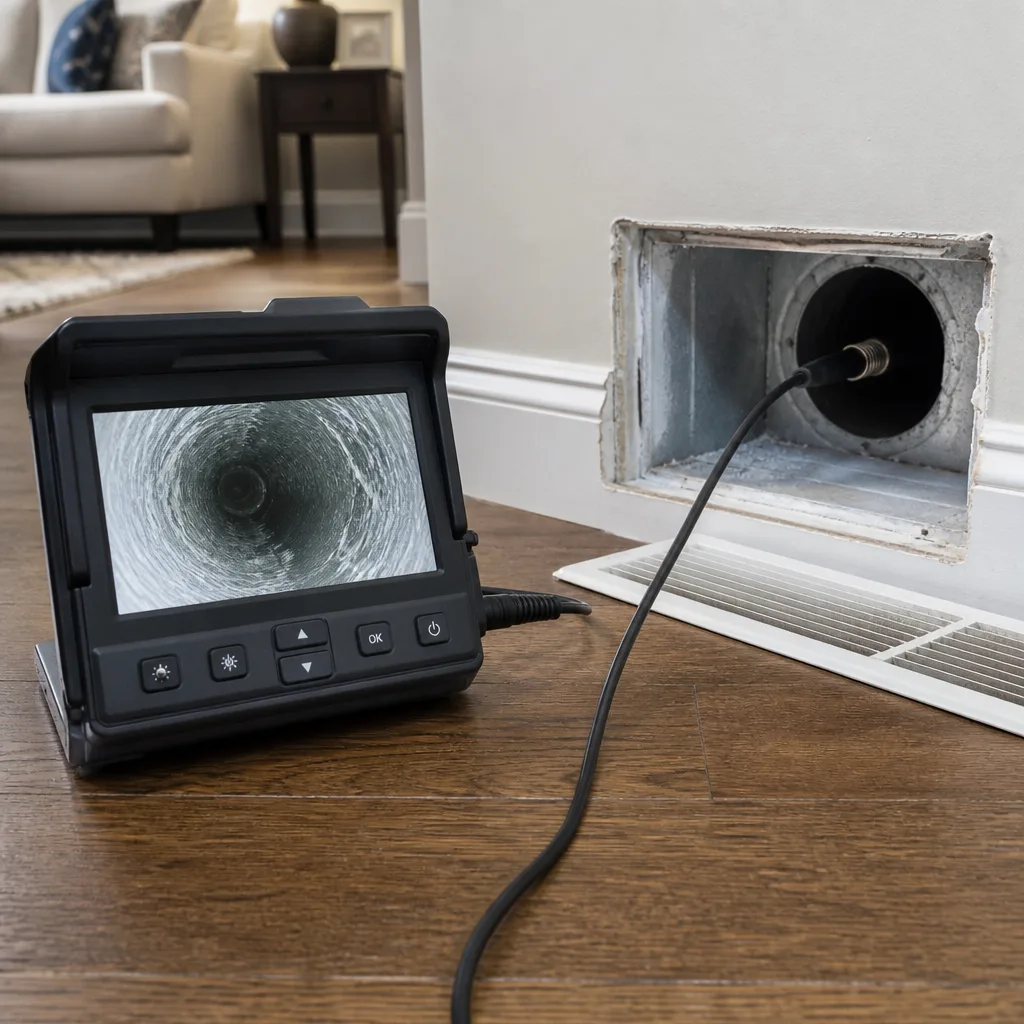
We use cameras with 120-degree fields of view to inspect the interior of flex duct runs. The images that matter are at the sag points and at the connections to trunk lines. In a 2023 job on Shallowford Road, the camera showed a 4-inch sag in a 12-foot run that contained standing water from a condensate line backup - water the homeowner could not see from the attic access, and that would not have been found without internal inspection.
This is the boundary between homeowner maintenance and professional service. You can observe the exterior condition. You cannot assess the interior without equipment that disturbs the duct if improperly used.
When Maintenance Becomes a Billable Cleaning Job
This distinction is where the duct cleaning industry earns its reputation for upselling. A maintenance inspection finds conditions. A cleaning job removes contamination. The gap between them is where homeowners pay for vacuum noise instead of measurable improvement.
A billable cleaning is warranted when camera inspection documents:
- Debris build-up exceeding 1/8 inch on duct surfaces, measured at multiple points.
- Biological growth verified by surface sampling or characteristic visual pattern.
- Post-construction or post-renovation particulate that cannot be removed by filter cycling.
- Evidence of pest intrusion (insect casings, rodent droppings, nesting material).
A billable cleaning is not warranted by:
- Dust on register grilles (surface cleaning, homeowner task).
- A calendar interval without condition verification.
- Odor alone, without source identification.
- Pressure from a technician who cannot show photographic evidence.
Our standard at CleanRun Air Duct Cleaning Marietta home is documented photo record on every visit: the inside of every duct run, before and after, delivered to the customer as part of the standard job record. If a technician cannot show you what they found and what they removed, you have purchased an undocumented service.
The pricing for warranted work in Marietta ranges from $400-$750 for a whole-system cleaning on a typical 2,000-square-foot home, depending on duct count and contamination level. We deliver this as a written price before any work starts, per Haven Standard Clause 1. No per-vent pricing, no add-ons discovered after arrival. The price is for the system, documented, and guaranteed.
The One-Page Logging Format
A maintenance log is only useful if you’ll actually maintain it. We’ve distilled the essential fields to a single page, designed for quarterly updates and annual review with any contractor.
Header: Home address, HVAC system brand and model, duct type (flex, metal, duct board), last professional service date.
Filter Log Section: Four rows per year. Columns: Date, Brand/Model/MERV, Condition at removal (photo reference), Notes.
Register Inspection Section: One row per register, labeled by room. Columns: Date inspected, Dust pattern (symmetric/asymmetric), Staining (none/rust/black ring), Odor (none/musty/chemical/other), Photo reference.
Attic/Crawl Observation Section: Quarterly entries. Columns: Date, Sag locations (photo reference), Insulation condition, Notable events (roof work, pest activity, weather damage).
Professional Service Section: Date, company, scope, price, photo record received (Y/N), warranty documentation.
This log serves as the pre-job briefing document we request from every customer. A homeowner who presents twelve months of register observations and filter changes receives a more precise scope and a more accurate price than one who cannot describe their system beyond “I think it’s due” - which is why we publish more guides & resources to help you document with confidence.
Marietta-Specific Timing Triggers
Certain events in Marietta’s environment and housing market create inspection priorities that override routine schedules.
Post-Renovation
Drywall dust is a documented system contaminant. The gypsum particles are fine enough to penetrate standard filters and abrasive enough to accelerate fan and motor wear. In the renovation-heavy corridors of East Cobb and the new construction zones near Kennesaw State’s Marietta campus, we’ve found drywall dust in trunk lines six months after project completion. Inspect registers weekly for four weeks post-renovation; schedule camera inspection if any visible accumulation appears.
After Roof or Attic Work
Any worker in your attic is a potential duct disturber. We’ve photographed crushed flex duct from solar panel installations, disconnected runs from insulation upgrades, and debris introduction from roof replacements where tear-off material entered soffit vents. Inspect attic-visible duct within one week of any attic trade’s completion.
First Sustained Cooling Season in a New-to-You Home
When you purchase a home, you inherit the previous owner’s maintenance habits - or their absence. The first summer of continuous AC operation in Marietta stress-tests any deferred maintenance. Log filter condition weekly in June and July. Asymmetric loading, rapid clogging, or odors indicate pre-existing conditions that a standard home inspection did not catch.
After Severe Weather Events
North Georgia’s spring storm season can damage roofing, soffits, and attic vents, creating water intrusion paths. The 2024 spring storm cycle produced multiple Marietta jobs where water entered duct boots through compromised attic vents. Post-storm inspection focuses on rust staining and musty odors, not debris accumulation.
Pre-Sale Preparation
Marietta’s competitive resale market, particularly in the Walton and Lassiter districts, creates pressure to present a “clean” home. We’ve advised sellers to document their duct condition rather than rush a cleaning. A photo record of clean ducts is a stronger disclosure asset than a receipt for undocumented work. Buyers increasingly request this documentation; sellers who have maintained logs command negotiating leverage.
Common Mistakes to Avoid
- Cleaning registers with compressed air. The blast drives debris deeper into the duct boot, where it accumulates beyond homeowner reach. Vacuum with a brush attachment, or remove and wash grilles in soapy water.
- Installing the highest MERV filter available. A MERV 13 filter in a system designed for MERV 8 restricts airflow, strains the fan motor, and can cause coil freezing in Marietta’s humid summers. Match filter to system specification, not marketing.
- Ignoring the return side. Homeowners inspect supply registers exclusively. The return grille and return ductwork collect more debris because they draw unfiltered room air. Include return grilles in monthly inspection.
- Scheduling cleaning based on calendar alone. We’ve declined jobs where camera inspection showed clean ducts because the homeowner’s “every three years” interval arrived. Condition-based maintenance saves money and prevents unnecessary disturbance of intact systems.
- Accepting per-vent pricing. This model incentivizes superficial work at many points rather than thorough work at the system level. Whole-system pricing with documented scope is the only structure that aligns contractor incentive with homeowner outcome.
- Failing to request the photo record. Every legitimate cleaning produces verifiable before-and-after images. If a company cannot or will not provide these, the work is unverified. Our Documented Photo Record Included on Every Visit policy means the customer receives images as a standard deliverable, not an optional extra.
- DIY duct sealing with hardware-store tape. Standard duct tape degrades in attic temperature extremes. Proper sealing requires mastic or foil tape rated for HVAC applications. Improper sealing fails within one season and can introduce adhesive VOCs into airflow.
When to Call a Professional
Call when your log shows patterns you cannot explain: asymmetric dust that worsens month to month, odors that persist past filter changes, or any rust or moisture staining. Call after any event that disturbs the building envelope or attic space. Call when you’re considering a purchase decision and need condition documentation.
Specifically, professional camera inspection is warranted when: you observe debris at registers after a filter change; your energy bills rise without thermostat adjustment; rooms heat or cool unevenly; or you detect musty odors at system startup.
Air Duct Cleaning in Marietta from CleanRun includes the documented photo record, written price before work starts, and the 365-Day Done Right Promise. We also offer a Free Second Opinion on any written estimate - bring a competitor’s quote, and we’ll put our number next to it in writing. Free estimates in Marietta are available at (470) 516-9337.
Frequently Asked Questions
Whole-system air duct cleaning in Marietta typically ranges from $400 to $750 for a 2,000-square-foot home, depending on duct count, contamination level, and accessibility. CleanRun delivers this as a written price before any work starts, with no per-vent add-ons or post-arrival discoveries. Call (470) 516-9337 for an exact quote - estimates are free.
Low quotes typically reflect limited scope: register vacuuming without trunk line access, no camera inspection, no photo documentation, or per-vent pricing that excludes significant portions of the system. The $79-$149 coupon model often converts to a much larger invoice once the technician is in the home. A legitimate whole-system cleaning requires negative-pressure extraction equipment, HEPA containment, and time - costs that cannot be absorbed at coupon prices without cutting scope or adding upsells.
Demand a documented photo record of every duct run, before and after, with timestamps. At CleanRun, this is standard on every job, delivered to the customer as part of the completed work record. Without photographic evidence, you have only the technician’s word. The photo record is your proof of scope completion and your reference for future maintenance comparisons.
There is no universal interval. A home with no pets, no renovations, and diligent filter changes may maintain clean ducts indefinitely. A home with multiple pets, recent construction, or flex-duct degradation may need cleaning every 2-3 years. The determination is condition-based, through camera inspection, not calendar-based. Your maintenance log builds the evidence for this decision.
Homeowners can and should clean register grilles, maintain filters, and vacuum accessible return grilles. Internal duct cleaning requires negative-pressure extraction equipment that prevents debris release into living space and camera systems that verify completeness. DIY attempts with household vacuums or compressed air typically redistribute contamination or damage flex duct. For internal work, professional service with documented results is the appropriate choice.
Air duct cleaning addresses the distribution network: trunk lines, branch ducts, and registers. HVAC Cleaning in Marietta addresses the mechanical components: blower assembly, evaporator coil, and condensate pan. The systems interact - a dirty coil can recontaminate clean ducts - but they require different access methods and equipment. CleanRun scopes each separately and can bundle them when condition warrants.
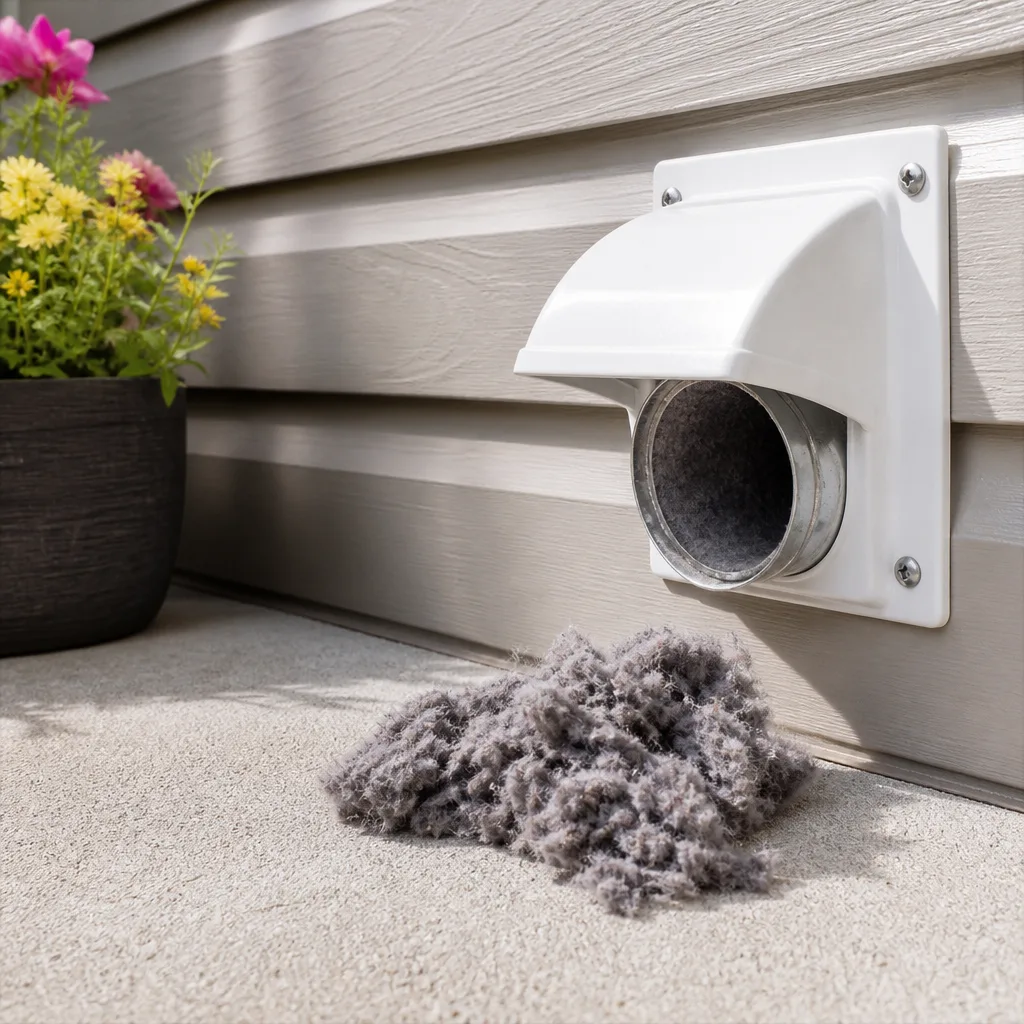
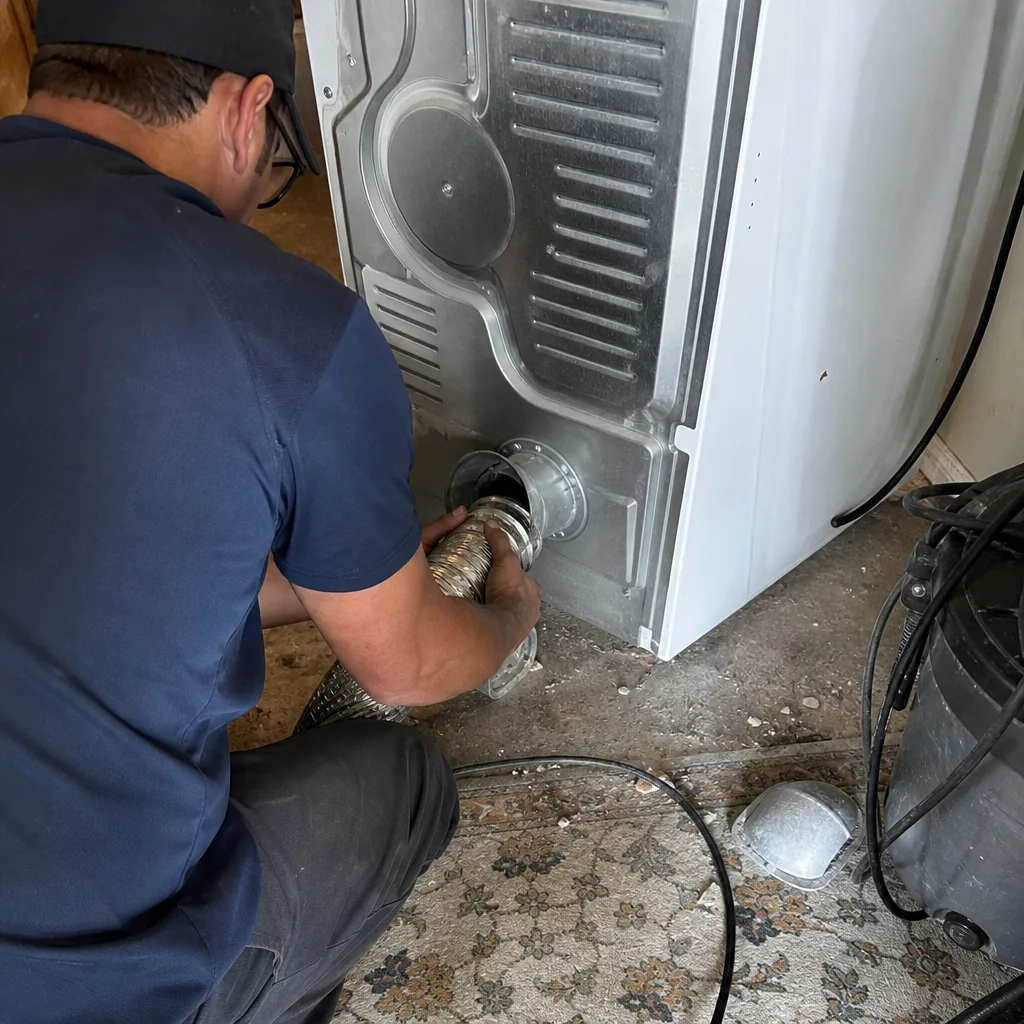
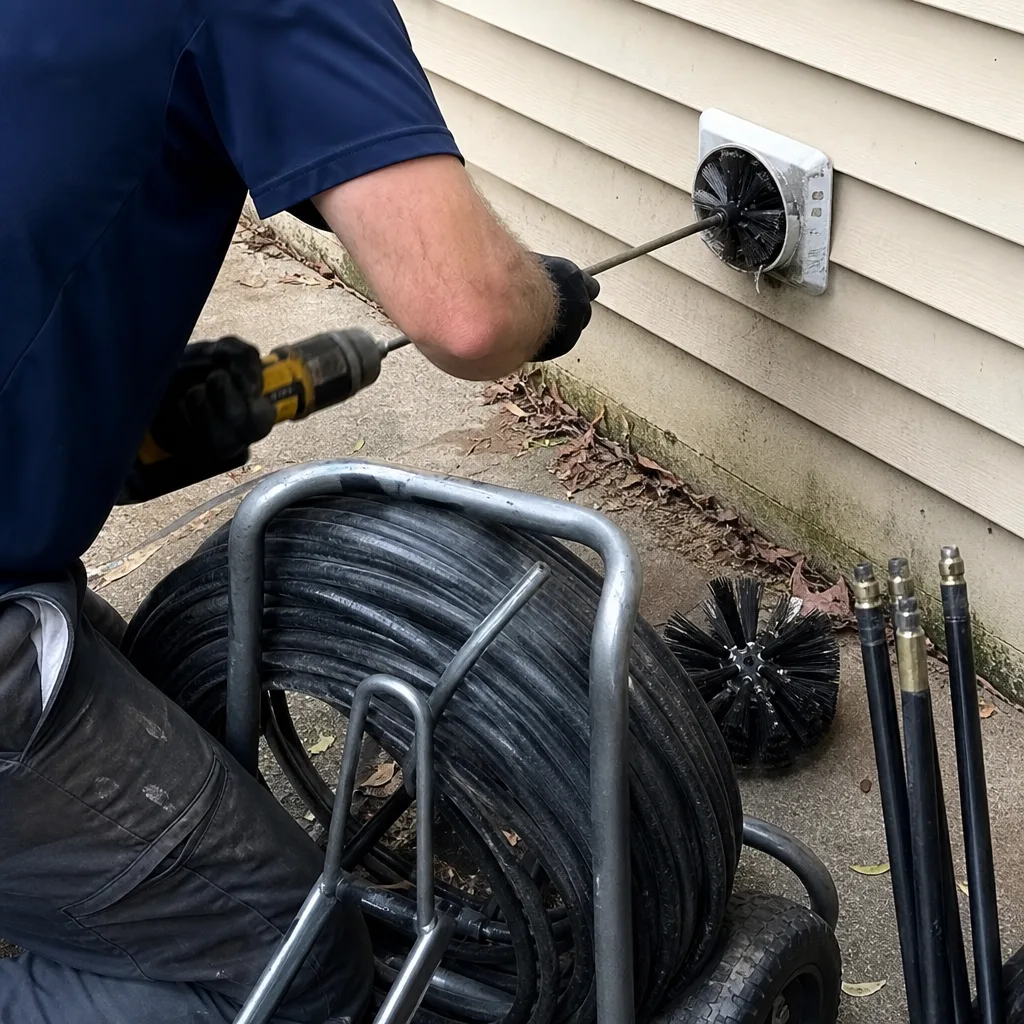
Dryer vent cleaning operates on a different schedule and hazard profile. Lint accumulation is a documented fire risk, and the vent path is independent of HVAC ductwork. However, if you’re already having a technician access attic or crawl spaces for duct inspection, bundling Dryer Vent Cleaning in Marietta can reduce total trip charges. We evaluate dryer vent condition separately and quote it in writing before any work.
The Bottom Line
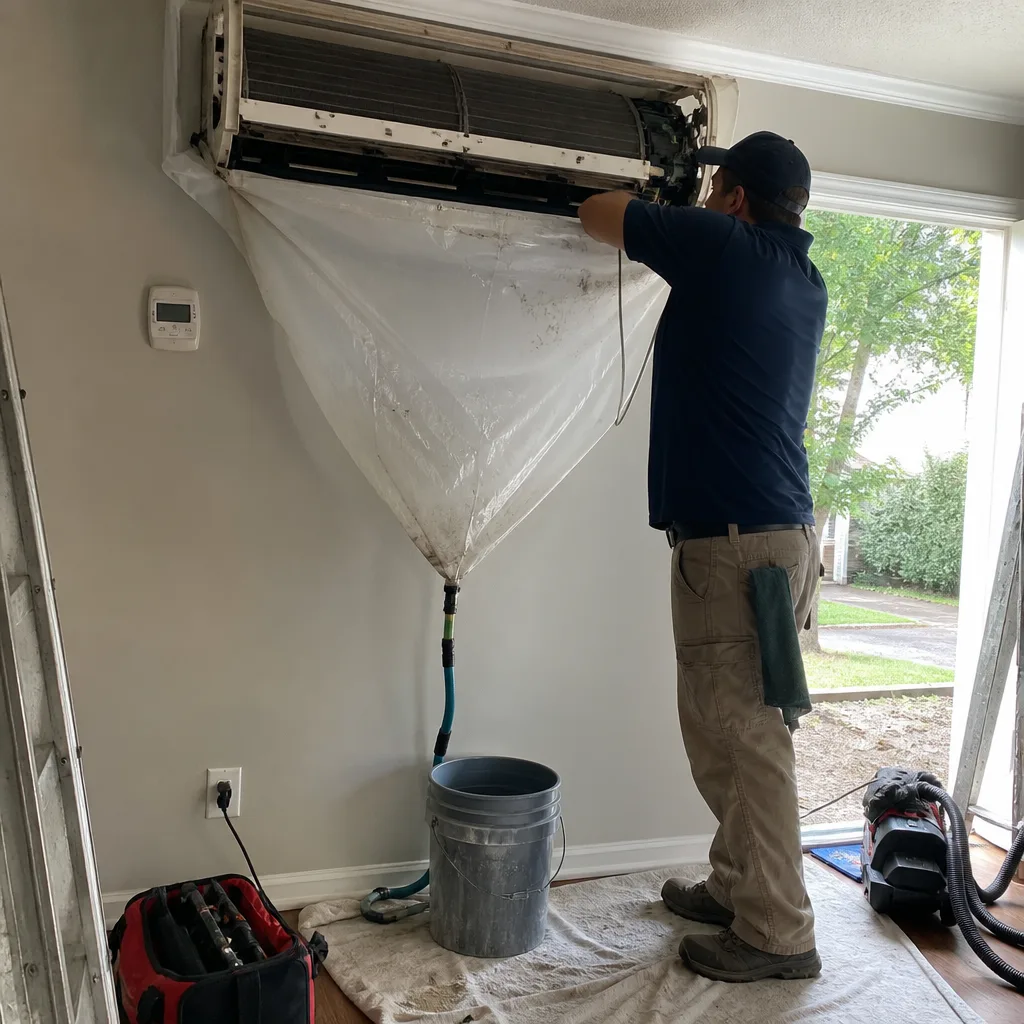
A maintenance checklist for air ducts is a damage-detection protocol, not a cleaning schedule. In Marietta’s climate and housing stock, the conditions that matter are observable: asymmetric dust patterns, rust staining, flex-duct sag, and filter performance trends. The homeowner’s role is systematic observation and logging. The professional’s role is camera-based verification and, when warranted, documented cleaning with photographic proof. The gap between these roles is where unnecessary spending and unverified work occur. Close that gap with a written log, a written price, and a written guarantee.
Written by Tomas Reyes, Owner at CleanRun Air Duct Cleaning Marietta, serving Marietta since 2013.